
April 21, 2026
If you are buying a home in Torrance, Redondo Beach, Manhattan Beach, Palos Verdes, or anywhere else along the coast, it is important to have an HVAC inspection before closing. That way, you can spot HVAC trouble before you sign.
Why a Dedicated HVAC Inspection Checklist Matters
A general home inspector will turn the system on, watch the vents blow, and jot down that it "operates as intended." That is not the same as knowing whether the compressor has two winters left in it or whether the ductwork is leaking 30% of your conditioned air into the attic.
Coastal homes add extra variables, too. Salt air eats outdoor condensers; older beach bungalows often rely on floor- or wall-mounted furnaces; and many South Bay properties still run on ducts installed decades ago. A residential HVAC inspection checklist tailored to this region pays for itself the first time it prevents you from buying someone else's problem.
Your Residential HVAC Inspection Checklist
Walk through the home with this list in hand, and bring your phone to take photos and short videos you can share with a pro later.
1. Age and paperwork
Find the data plate on the outdoor unit and the furnace. Note the serial number and model. Most AC systems last 12 to 15 years, furnaces 15 to 20, and heat pumps 10 to 15. Ask the seller for maintenance records. No records is itself a red flag.
2. Outdoor condenser
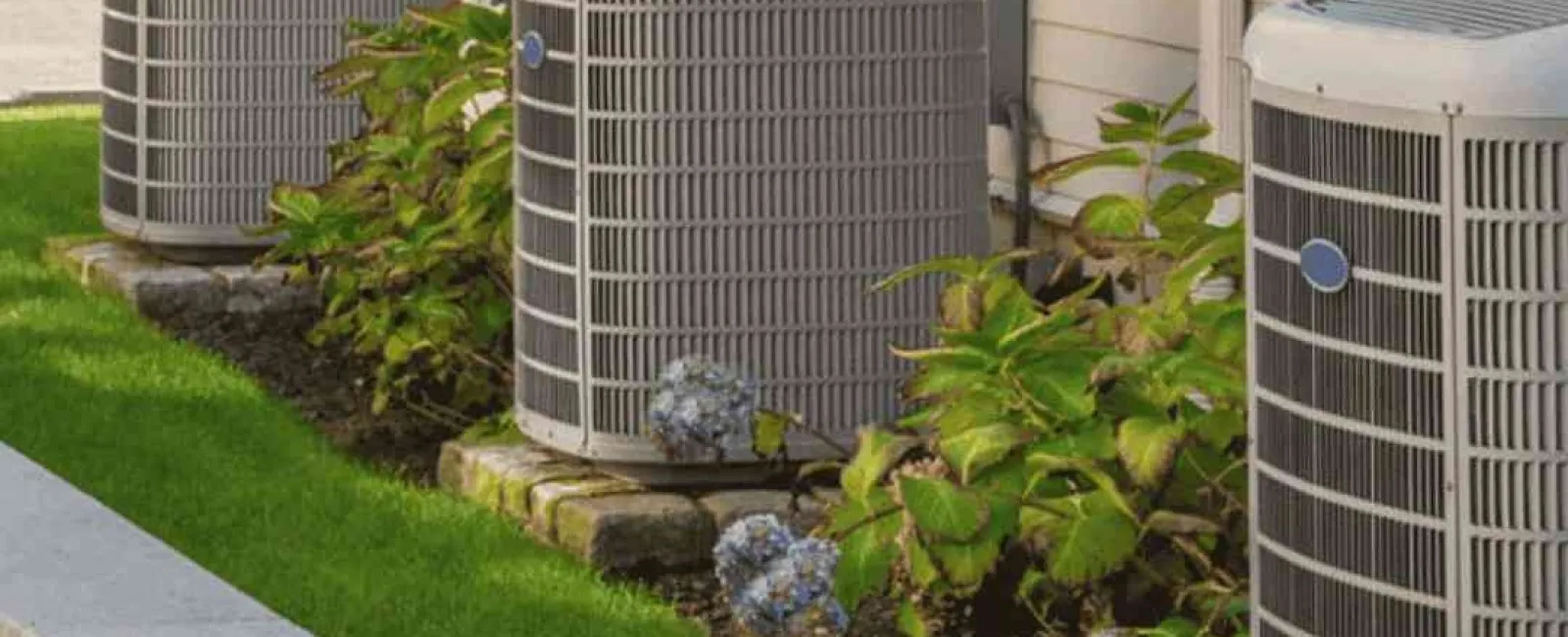
Look at the unit from every side. You want a level installation on a solid pad, straight, mostly debris-free fins, no visible corrosion, and at least 2 feet of clearance from plants. In coastal cities, salt pitting on the cabinet and gunk buried in the fins are telltale signs the system has gone without regular outdoor coil cleaning, which shortens its life fast.
3. Indoor air handler and evaporator coil
Open the access panel if you can do so safely. Rust stains under the evaporator coil suggest a slow refrigerant or condensate leak. Dust caked on the blower means maintenance has been skipped. A clean air handler is one of the best signs of a well-cared-for system.
4. Ductwork and returns
Pop a few register covers. If you see dust, debris, pet hair, or construction debris, the ducts likely haven't been cleaned. Check the attic or crawlspace if accessible, and look for crushed flex duct, disconnected joints, or crumbling mastic. Leaky ductwork is a silent budget drain that can quietly reduce your system's efficiency by 20 to 30 percent.
5. Thermostat operation
Cycle the system into cooling and then heating. Confirm the thermostat screen is responsive, the system starts within a minute, and air actually comes out of every vent. A blank or glitchy screen can mean low batteries, or it can point to a deeper issue with the AC thermostat, like bad wiring or a failed control board.
6. Room-to-room airflow
Walk through every room with the system running and feel the supply registers. Temperature differences of 3 to 5 degrees between rooms can point to poor duct design, closed dampers, or an undersized unit, any of which can be expensive to fix.
7. Air filter condition
A clogged, gray air filter that snaps into a rusted slot is a small detail with a big story. It tells you the system has been running dirty for a while, which shortens component life.
8. Drain lines and water damage
Follow the condensate drain line. Look for staining on ceilings below an attic unit, standing water in the drain pan, or mold around the air handler. In a humid South Bay summer, a clogged drain is one of the most common service calls we get.
9. Refrigerant and the 2025 rule change
Ask which refrigerant the system uses. If it still runs on R-22, plan for a full replacement soon. Systems on R-410A are fine to keep, but the 2025 HVAC refrigerant changes mean new installations now use lower-GWP options like R-454B, which matters the moment you go to upgrade.
10. Heating system and safety
Even in Southern California, heaters work hard in January. For gas furnaces, look for a clean burner flame, no soot, and a working carbon monoxide detector nearby. In older South Bay homes, floor- and wall-mounted furnaces are common, so check for a cracked heat exchanger and note any gas smell from the heater during the test cycle. For heat pumps, fire up auxiliary heat to make sure it kicks in on cold mornings.
Red Flags Worth Slowing Down For
Water stains under or near the air handler, a system that short-cycles or never reaches the set temperature, mismatched indoor and outdoor equipment, and any smell of gas or burning electrical components are all reasons to pause. So is a seller who is unable or unwilling to share any service history.
Get a Professional HVAC Inspection Before You Close
A homeowner walk-through catches a lot, but it will not replace a pro with gauges, a combustion analyzer, and twenty years of South Bay homes under their belt. At Total Home Environmental, we perform pre-purchase HVAC inspections across Torrance and the South Bay, provide a plain-English report, and help you decide whether to buy, renegotiate, or walk away.
Give our team a call or schedule a pre-purchase HVAC inspection with Total Home Environmental today, and close with confidence.


