Wall furnaces remain common in older homes throughout Los Angeles and Orange County, particularly in properties built before central HVAC systems became standard. These compact, space-saving heaters provide reliable warmth for decades when properly maintained, but they can develop problems that create safety hazards and uncomfortable living conditions. Among the most concerning issues is when your wall furnace emits a gas smell, a situation requiring immediate attention to protect your family's safety.
Understanding Wall Furnace Operation
Wall furnaces mount directly into wall cavities, drawing combustion air from inside your home and venting exhaust gases outside through a flue pipe. Natural gas flows to the burner assembly, where a pilot light or electronic ignition system lights the main burner when your thermostat calls for heat. The burner heats a metal heat exchanger, and a fan circulates room air over the hot exchanger surface, warming your space.
This design provides efficient heating for individual rooms or small homes, but it also creates specific points where problems develop. Unlike modern high-efficiency furnaces that include extensive safety controls and diagnostic systems, wall furnaces use simpler technology that may fail without providing clear warning signs.
The age of many wall furnaces compounds these concerns. Homes built in the 1960s through 1980s throughout Southern California commonly feature wall-mounted heaters that are now 40 to 60 years old. While quality units can last this long, components inevitably wear out, creating safety and performance issues that require professional attention.
Why Wall Furnaces Smell Like Gas
A gas smell near your wall furnace indicates unburned natural gas is escaping somewhere in the system. This represents an immediate safety concern because natural gas is highly flammable and explosive in sufficient concentrations, and it displaces oxygen in enclosed spaces, creating asphyxiation risk.
Several problems cause gas odors from wall furnaces. A faulty thermocouple, the safety device that shuts off gas flow when the pilot light extinguishes, may fail to close the gas valve properly. This allows gas to flow even when the pilot cannot light it, creating a dangerous accumulation of unburned gas.
Pilot light problems cause gas smells when the pilot won't stay lit or burns inconsistently. If the pilot repeatedly extinguishes, gas flows each time the thermostat calls for heat but remains unlit, releasing raw gas into your home. Pilot lights that burn yellow or orange instead of blue indicate incomplete combustion, which can produce gas odors along with carbon monoxide.
Cracked or damaged gas lines feeding the furnace leak gas continuously regardless of whether the unit is operating. Even small cracks release noticeable gas quantities over time. Aging brass fittings, corroded steel pipes, or physical damage to gas lines all create leak points that produce persistent gas odors.
Burner assembly problems including clogged orifices, misaligned burners, or damaged burner tubes prevent proper ignition, allowing gas to accumulate before lighting or preventing ignition entirely. When gas finally ignites, it may create a small explosion inside the combustion chamber, a condition called "delayed ignition" that's both dangerous and damaging to the furnace.
Immediate Actions When You Smell Gas
If you smell gas near your wall furnace, take immediate action to protect your family. Do not attempt to diagnose or repair the problem yourself. Natural gas leaks require professional expertise and can create life-threatening situations in seconds.
First, turn off the gas supply to your wall furnace using the shutoff valve typically located on the gas line near the unit. If you cannot locate this valve or are uncomfortable operating it, proceed directly to the next steps without delay.
Evacuate everyone from your home immediately. Do not use light switches, phones, or any electrical devices inside the house, as sparks from these devices can ignite accumulated gas. Once outside and at a safe distance, call your gas utility company's emergency line and 911 if you believe the gas concentration is significant or people are experiencing symptoms like dizziness or nausea.
Do not re-enter your home until utility company personnel have inspected the property, measured gas concentrations, and declared it safe. Even if the gas smell seems to dissipate, leaked gas may have accumulated in wall cavities, attics, or other confined spaces where it creates ongoing hazard.
Common Wall Furnace Issues Beyond Gas Leaks
While gas leaks represent the most serious wall furnace problem, these heating systems develop other issues that affect performance and safety. Understanding these problems helps you recognize when professional service is necessary.
Pilot light problems plague older wall furnaces frequently. Thermocouples wear out and fail to hold the gas valve open, causing pilots to extinguish repeatedly. Dirty pilot orifices restrict gas flow, creating weak pilot flames that blow out easily. Drafts from poorly sealed wall installations or exhaust flue problems can also extinguish pilots, leaving you without heat and potentially creating gas leak situations if the thermocouple fails.
Thermostat malfunctions cause wall furnaces to cycle improperly, run continuously, or fail to start when temperatures drop. Older mechanical thermostats lose calibration over time, while wiring problems can prevent communication between the thermostat and furnace. These issues waste energy and reduce comfort even when the furnace itself remains functional.
Carbon monoxide production increases as wall furnaces age and combustion efficiency declines. Cracked heat exchangers, blocked vents, or improper combustion create conditions where deadly carbon monoxide enters your living space instead of venting safely outside. This colorless, odorless gas causes symptoms similar to flu including headaches, dizziness, and nausea, but can be fatal with sufficient exposure.
Inadequate heat output suggests burner problems, gas pressure issues, or thermostat calibration errors. Wall furnaces should heat effectively when operating. If your unit runs constantly but fails to warm your space adequately, professional diagnosis identifies whether repairs can restore performance or replacement makes more sense.
Why Professional Service Matters
Wall furnace problems require professional expertise for several critical reasons. Gas appliance work involves both safety and technical complexities that untrained individuals cannot address safely. Licensed HVAC technicians understand gas system operation, possess specialized tools for testing and diagnosis, and know building codes governing gas appliance installation and repair.
Natural gas work requires specific licensing in California. Only licensed contractors can legally perform repairs on gas appliances. This licensing ensures technicians have demonstrated competency in safe gas appliance service and understand the serious consequences of improper work.
Professional diagnosis often reveals problems beyond the obvious symptoms. A wall furnace with pilot light issues might have multiple contributing factors including thermocouple failure, venting problems, and gas pressure issues. Addressing only the most visible problem leaves underlying issues that cause recurring failures.
When Replacement Makes More Sense Than Repair
Wall furnaces lasting 30 years or more approach the end of their useful lives regardless of current condition. At this age, multiple components are likely near failure, making repairs a temporary solution before the next problem develops. Heat exchanger cracks, which allow combustion gases including carbon monoxide into your living space, often mark the end of a wall furnace's safe operational life.
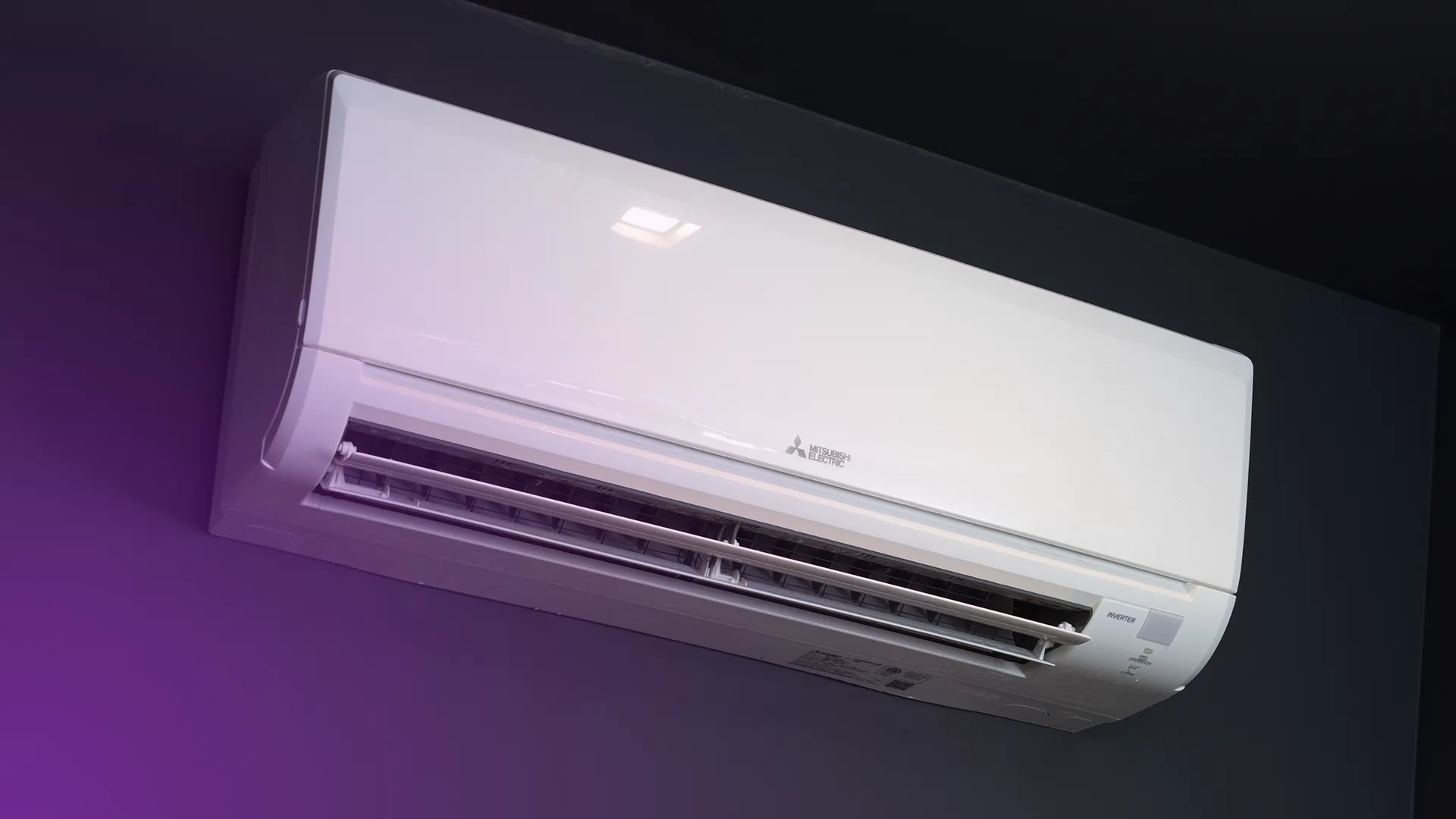
Modern alternatives including ductless mini-split systems provide heating and cooling in a single installation, upgrading your home's comfort capabilities significantly beyond what wall furnaces offer. The energy efficiency of new systems typically exceeds old wall furnaces by 30% or more, delivering ongoing savings that offset replacement costs over time.
At Total Home Environmental, we provide comprehensive HVAC services throughout Los Angeles and Orange County, including wall furnace repair, replacement, and indoor air quality services. Our licensed technicians diagnose wall furnace problems accurately and provide honest recommendations about whether repair or replacement makes the most sense for your situation. When gas smells or other serious safety concerns develop with your wall furnace, our emergency response ensures your family's safety while restoring your home's heating system promptly.