
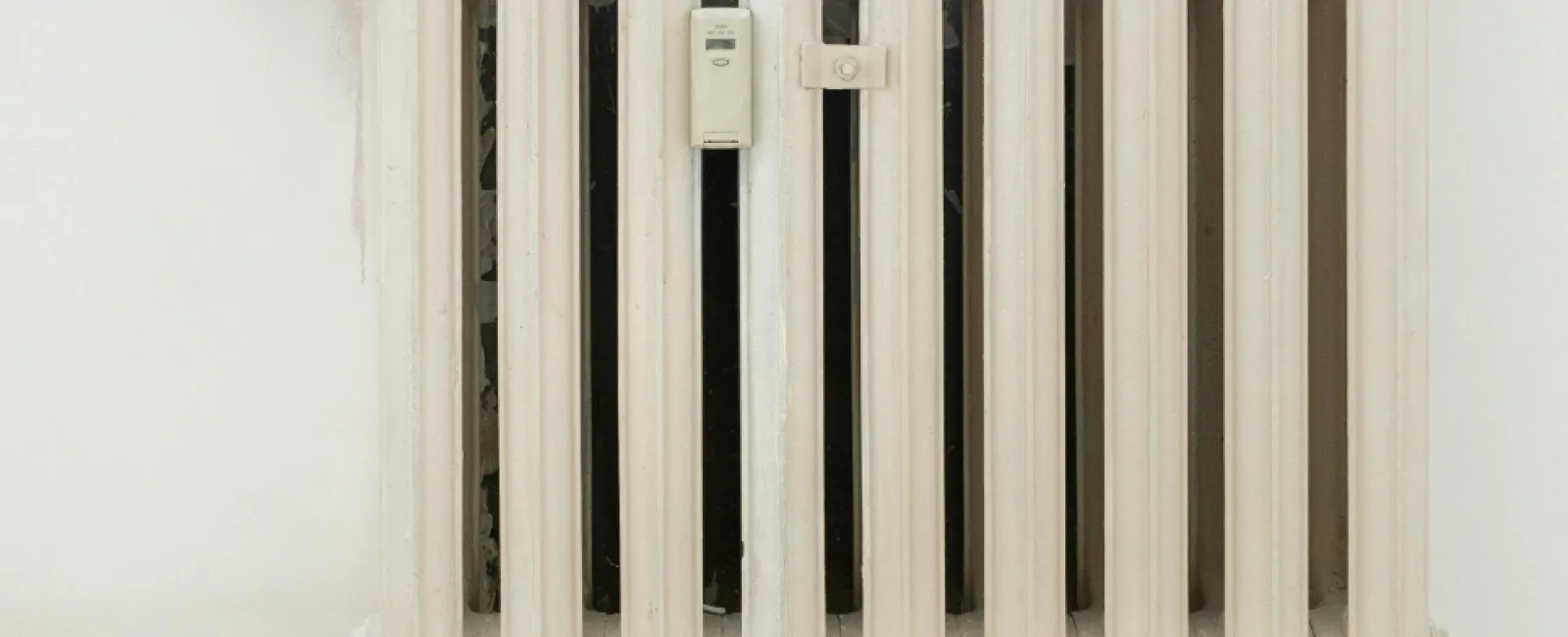
If you're heating a small space, dealing with an older home without ductwork, or trying to add warmth to a garage or addition, you've probably considered a wall furnace. These compact, wall-mounted heating units have been around for decades, and for good reason. They're affordable, space-saving, and can deliver reliable heat where you need it most.
But are they the right choice for your home?
In this guide, we'll walk through everything you need to know about wall furnaces: how they work, what they cost, where they make sense, and when you'd be better off with a different heating solution. No sales pitch, just straight talk from HVAC professionals who've installed, serviced, and replaced hundreds of these units across Southern California.
What Is a Wall Furnace?
A wall furnace is a self-contained heating appliance that mounts directly into an interior or exterior wall. Unlike central HVAC systems that distribute air through ductwork, wall furnaces heat the space around them through convection and radiant heat.
How Wall Furnaces Work
Wall furnaces operate on a simple principle:
- Fuel burns (natural gas or propane) inside a combustion chamber
- Heat exchanger warms the air without mixing it with combustion gases
- Warm air rises naturally or gets pushed into the room by a small fan
- Combustion gases exit through a vent pipe (in vented models)
Most modern wall furnaces include a thermostat that cycles the unit on and off to maintain your desired temperature. The entire system fits within the wall cavity, no floor space required.
Wall Furnace vs Central HVAC vs Wall Heater
People often confuse these three heating options. Here's how they differ:
Wall Furnace: Permanently mounted heating appliance with venting (in most cases). Burns gas or propane. Typically 8,000-35,000 BTU capacity.
Central HVAC: Whole-home heating and cooling system with ductwork. Furnace or heat pump located in attic, basement, or closet. Much higher capacity (40,000-120,000+ BTU).
Wall Heater: Generic term that can include electric resistance heaters, radiant panels, or small gas heaters. Often refers to ventless electric units that plug into standard outlets.
The key distinction: wall furnaces are designed for zone heating in larger spaces (bedrooms, living rooms, additions), while wall heaters typically handle smaller areas like bathrooms or offices.
Common Fuel Types
Natural Gas: Most common fuel type in areas with gas service. Provides consistent, affordable heat with AFUE ratings typically between 65-80%.
Propane: Used in homes without natural gas access. Requires a propane tank and regular refills. Burns slightly hotter than natural gas but costs more per BTU.
Electric: Less common for wall furnaces specifically. Electric wall heaters exist but operate differently and cost more to run in most markets.
Types of Wall Furnaces
Not all wall furnaces work the same way. Understanding the differences helps you make the right choice for your space and local building codes.
Direct-Vent Wall Furnaces
How They Vent: Direct-vent models use a sealed combustion system with a horizontal vent pipe that goes straight through the wall. They draw combustion air from outside and exhaust gases outside, never mixing with indoor air.
Safety and Efficiency Benefits: This sealed design makes direct-vent furnaces the safest option. No indoor air gets used for combustion, which means better indoor air quality and less risk of backdrafting or carbon monoxide issues.
Best Use Cases: Required by code in most California jurisdictions. Ideal for bedrooms, enclosed living spaces, and anywhere you want reliable heat without compromising air quality.
Vent-Free (Ventless) Wall Furnaces
How They Operate: Vent-free models burn gas inside your home without any external venting. They're designed with safety features like oxygen depletion sensors that shut the unit off if oxygen levels drop too low.
Where They Are Legal / Not Legal: California banned vent-free gas heating appliances for indoor residential use years ago. You'll still find them in some older homes, but they can't be legally installed as new equipment in most jurisdictions. Many other states allow them with restrictions (often prohibited in bedrooms and bathrooms).
Indoor Air Quality Considerations: Here's the honest truth; vent-free appliances release combustion byproducts directly into your home, including water vapor, carbon dioxide, and trace amounts of other gases. While modern units have safety shutoffs, they can still contribute to humidity problems, stuffiness, and potential air quality concerns, especially in tight spaces.
If you have a vent-free wall furnace that's working properly, there's no immediate safety emergency. But when it's time to replace it, we strongly recommend upgrading to a direct-vent model or considering alternative heating options.
Gravity Wall Furnaces (Older Homes)
Common in Older Properties: Drive through older neighborhoods in Southern California, and you'll find plenty of homes with gravity wall furnaces from the 1950s-1970s. These units work without electricity, relying purely on the natural rise of warm air.
Efficiency Limitations: Gravity furnaces typically operate at 55-65% AFUE, meaning 35-45% of your fuel goes straight up the vent pipe. Compare that to modern furnaces at 80-98% efficiency, and you can see why energy bills run high with these old units.
Replacement Considerations: Many of these furnaces still work reliably despite their age. The question isn't whether they heat your home, it's whether they're costing you more in gas bills than a new unit would cost to install. We typically recommend replacement when repair costs exceed 50% of a new installation, or when efficiency improvements could pay for themselves within 5-7 years.
Wall Furnace Pros and Cons (Straight Talk)
Let's cut through the marketing language and look at what wall furnaces do well, and where they fall short.
Pros
Lower Upfront Cost Than Central HVAC: Installing a wall furnace typically costs $1,200-$3,500, while a complete central heating system runs $5,000-$12,000+. If you're on a tight budget or heating a single room, the math favors wall furnaces.
Space-Saving Design: No floor space. No closet required. No ductwork eating into your ceiling. Wall furnaces fit entirely within the wall cavity, making them ideal for smaller homes, additions, or anywhere square footage matters.
Good for Additions, Garages, Workshops, Apartments: These are perfect applications for wall furnaces. You need supplemental heat in a specific area, and extending ductwork would be expensive or impractical.
Fast Zone Heating: Wall furnaces heat the immediate area quickly. No waiting for air to travel through ducts. No heating rooms you're not using. Direct, localized comfort.
Cons
Heats Only One Area: This is the biggest limitation. A wall furnace in your living room won't help your bedroom. You either live with uneven heating or install multiple units.
No Cooling: Wall furnaces provide heat only. If you need air conditioning, you're adding a separate system (window unit, portable AC, or ductless mini-split).
Lower Efficiency vs Modern Heat Pumps: Even the best wall furnaces max out around 80% AFUE. Modern heat pumps can achieve 300%+ efficiency by moving heat instead of generating it. In Southern California's mild climate, heat pumps often make more financial sense long-term.
Can Impact Resale If Overused: Buyers expect central heating and cooling in most California markets. A home with only wall furnaces may sell for less or sit on the market longer, especially in competitive neighborhoods.
How Much Does a Wall Furnace Cost?
Pricing varies based on unit type, installation complexity, and local labor rates. Here's what we typically see in Southern California.
Equipment Costs
Basic Gravity Models (older technology): $400-$800 Mid-Range Direct-Vent Units: $800-$1,500 High-Efficiency Direct-Vent Models: $1,200-$2,000
Gas models generally cost more than electric resistance heaters but less to operate. Propane units run about the same price as natural gas versions.
Installation Costs
Replacement (Same Location): $400-$800 Labor is straightforward when you're swapping an old unit for a new one in the existing opening. Minimal structural work required.
New Installation: $800-$1,500+ First-time installations require cutting into the wall, running gas lines, installing venting, and potentially adding electrical for thermostat and fan. Costs increase significantly if gas service doesn't exist nearby.
Venting Requirements: Direct-vent systems need a horizontal vent pipe through the exterior wall. If you're replacing a gravity furnace (vertical vent) with a direct-vent model, expect additional labor for the vent conversion.
Gas Line Considerations: Existing gas line in good condition? Installation is simpler. Need to run new pipe from the meter? Add $500-$1,200 depending on distance and complexity.
Total Installed Cost Range
Low End ($1,200-$1,800): Basic replacement of an existing wall furnace with a similar direct-vent model. No gas line work. Minimal modifications.
Mid Range ($1,800-$2,800): New direct-vent installation or upgrade from gravity to direct-vent. Includes venting modifications and standard gas line work.
High End ($2,800-$3,500+): Complex installations requiring significant gas line runs, structural modifications, or challenging venting situations.
What Drives Price Up:
- Long gas line runs
- Difficult venting paths
- Structural reinforcement needs
- Permit requirements (some jurisdictions)
- Removal of old asbestos-wrapped units (requires certified abatement)
What Keeps Costs Down:
- Replacing in same location
- Existing gas line nearby
- Simple venting through exterior wall
- Standard-size opening
Wall Furnace vs Wall Heater vs Mini-Split
Choosing between these three options depends on your heating needs, cooling requirements, and budget.
| Feature | Wall Furnace | Wall Heater | Mini-Split |
|---|---|---|---|
| Heating Capacity | 8,000-35,000 BTU | 1,500-5,000 BTU (electric) | 9,000-36,000 BTU |
| Cooling Capability | No | No | Yes (heat pump models) |
| Fuel Type | Gas/Propane | Electric (typically) | Electric |
| Efficiency | 65-80% AFUE | 100% (but expensive per BTU) | 300%+ (HSPF 10+) |
| Installation Cost | $1,200-$3,500 | $200-$800 | $3,000-$5,500 |
| Operating Cost | Low (gas) | High (electric) | Low (efficient electric) |
| Best For | Single-room heating, no ductwork | Small spaces, supplemental heat | Year-round comfort, high efficiency |
When Each Option Makes Sense:
Choose a wall furnace when you need affordable, reliable heat for one room or addition, have access to natural gas, and don't need cooling.
Choose a wall heater for small spaces like bathrooms, offices, or anywhere you need supplemental heat without major installation work.
Choose a mini-split when you want both heating and cooling, care about long-term energy savings, or prefer the most efficient option available. Mini-splits deliver exceptional comfort in Southern California's climate but cost more upfront.
Are Wall Furnaces Energy Efficient?
The answer depends on what you're comparing them to.
Typical AFUE Ratings
AFUE (Annual Fuel Utilization Efficiency) measures what percentage of your fuel becomes usable heat.
- Gravity Wall Furnaces: 55-65% AFUE
- Standard Direct-Vent: 70-75% AFUE
- High-Efficiency Direct-Vent: 78-82% AFUE
For context, modern central furnaces achieve 80-98% AFUE, with condensing models at the top of that range.
How Efficiency Compares
vs Central Furnaces: Wall furnaces lag behind in raw efficiency. You're losing more heat up the vent pipe. But wall furnaces offer zone heating; you only heat the rooms you're using, which can offset lower efficiency in the right circumstances.
vs Heat Pumps: Not even close. Heat pumps don't burn fuel, they move heat from outside to inside, achieving 250-400% efficiency in mild climates. Operating costs favor heat pumps significantly in Southern California.
vs Mini-Splits: Mini-splits are ductless heat pumps, so they share the same efficiency advantage. A mini-split operating at 350% efficiency costs roughly one-third as much to run per BTU as a 70% AFUE wall furnace.
When Efficiency Doesn't Matter as Much
If you're heating a 150-square-foot bedroom for a few hours on cold winter mornings, the difference between 70% and 95% efficiency amounts to a few dollars per month. In small spaces with limited usage, the lower upfront cost of a wall furnace often makes more financial sense than chasing maximum efficiency.
But if you're heating larger spaces all winter long, efficiency matters. Every percentage point of AFUE translates to real money over the equipment's 15-20 year lifespan.
Where Wall Furnaces Make the Most Sense
Wall furnaces aren't the right choice everywhere. But in certain situations, they're hard to beat.
Older Homes Without Ductwork
Thousands of Southern California homes were built before central HVAC became standard. Adding ductwork means tearing into walls, rerouting plumbing and electrical, and spending $8,000-$15,000+. A well-placed wall furnace (or two) delivers comfort for a fraction of that cost.
Room Additions
You just built a beautiful master suite addition. Running ductwork from the existing HVAC system might not be feasible, or it might overload the current equipment. A dedicated wall furnace gives the addition independent heating without taxing the main system.
Rental Properties
Landlords often prefer wall furnaces in smaller rentals because tenants control the heat directly (no fighting over the thermostat), units are relatively inexpensive to replace, and repairs are straightforward. They're also less likely to be tampered with than complex HVAC systems.
Garages & Workshops
Need heat in your detached garage? A wall furnace provides comfortable working temperatures without the cost and complexity of extending your home's ductwork. Propane models work great in locations without natural gas service.
Sunrooms / Enclosed Porches
These transitional spaces often lack heating and cooling. They're too far from the main HVAC system, and window units look terrible. A compact wall furnace keeps your sunroom usable through winter without major renovations.
Safety, Codes, and Venting Requirements
Wall furnaces involve combustion and venting. That means following proper codes and installation practices isn't optional.
Venting Rules (High-Level, Non-Legal)
We can't provide specific code guidance (that's your local building department's job), but here are the general principles:
Direct-vent systems must terminate through an exterior wall with proper clearances from windows, doors, and property lines. Vent pipes typically need 12 inches minimum clearance from windows and doors, and must be placed where exhaust gases won't re-enter the home.
Older gravity vents must extend above the roofline and be properly supported. Many jurisdictions now require these to be converted to direct-vent when you replace the furnace.
Vent-free units are illegal for new residential installations in California. If you have one, it can stay until it needs replacement.
Carbon Monoxide Considerations
Any gas-burning appliance produces carbon monoxide during combustion. Properly functioning direct-vent furnaces exhaust CO safely outside. But installation errors, damaged vents, or backdrafting can create dangerous situations.
Basic safety measures:
- Install CO detectors near sleeping areas (required by law)
- Test CO detectors monthly
- Never block or restrict vent pipes
- Watch for symptoms of CO exposure (headaches, dizziness, nausea when furnace runs)
Why Professional Installation Matters
We see DIY wall furnace installations occasionally. Some work fine. Others create serious safety hazards.
Gas connections must be leak-free and properly sized. An undersized line starves the furnace of fuel. A leaking connection risks fire or explosion.
Venting must be airtight and properly sloped to prevent condensation buildup and ensure complete exhaust of combustion gases.
Combustion air requirements must be met. Tight homes sometimes need additional air supply for safe operation.
Electrical connections for fans and controls must follow code.
Wall furnaces aren't the most complex HVAC equipment we install, but they're serious enough to warrant professional installation. The cost difference between DIY and professional installation is small compared to the risks of getting it wrong.
When Vent-Free Is a Bad Idea
Beyond the legal issues in California, vent-free heating appliances make poor choices in several situations:
- Bedrooms: Oxygen depletion while sleeping is dangerous
- Tight, well-insulated homes: Combustion byproducts build up quickly
- Homes with respiratory issues: Extra humidity and combustion byproducts aggravate asthma and allergies
- Small spaces: Oxygen depletion sensors may trip frequently
If someone suggests installing vent-free equipment in your California home, find a different contractor. Licensed professionals know the law and won't put your safety at risk.
Signs It's Time to Replace an Old Wall Furnace
Wall furnaces last 15-25 years with proper maintenance. But age alone doesn't determine when to replace. Watch for these warning signs.
Uneven Heating
Your furnace runs constantly but can't maintain comfortable temperatures. Cold spots appear in areas that used to stay warm. These symptoms often indicate a failing heat exchanger or blocked venting reducing efficiency.
Rising Gas Bills
Monthly gas costs increase noticeably despite similar usage patterns. Older furnaces lose efficiency as components wear. That 70% AFUE unit from 2005 might be operating at 55-60% today.
Frequent Repairs
You're calling for service multiple times per season. Parts are failing regularly. Repair bills are adding up. At some point, you're throwing good money after bad.
Our rule of thumb: If a single repair costs more than 50% of replacement, or if you're facing your third significant repair in two years, replacement makes more financial sense.
Pilot Light Issues
Older gravity furnaces use standing pilot lights that should burn steady blue. A pilot that goes out frequently, burns yellow, or won't stay lit indicates problems with the thermocouple, gas supply, or combustion chamber.
Modern direct-vent furnaces use electronic ignition (no standing pilot), which eliminates these issues and saves money on gas.
Age Benchmarks
Under 10 years: Repairs usually make sense unless you're dealing with major component failure or want to upgrade efficiency.
10-15 years: Evaluate repair costs vs replacement benefits. Consider efficiency improvements and whether you plan to stay in the home long enough to recoup installation costs.
15-20 years: Replacement often makes more sense. Parts may be harder to find. Efficiency has declined. Newer technology offers significant benefits.
20+ years: Replace rather than repair in most cases. You've gotten excellent service from the old unit. A new furnace will deliver better comfort, safety, and efficiency.
Wall Furnace Installation: What to Expect
Understanding the installation process helps you prepare and avoid surprises.
In-Home Evaluation
A proper installation starts with assessment, not just pulling a unit off the truck.
We'll examine your existing wall furnace (if you have one), measure the space, check gas line size and location, verify venting options, and discuss your heating needs and budget. This visit typically takes 20-30 minutes and lets us provide an accurate quote.
For new installations, we'll determine the best location considering gas line access, exterior wall requirements for venting, furniture placement, and heat distribution in the room.
Sizing the Unit Correctly
Bigger isn't better with wall furnaces. An oversized unit cycles on and off frequently, wears out faster, and creates uncomfortable temperature swings.
We calculate the right size based on room square footage, ceiling height, insulation levels, window area, and climate zone. Most bedrooms need 8,000-15,000 BTU. Living rooms typically require 15,000-25,000 BTU. Larger spaces might need 25,000-35,000 BTU, or a different heating solution entirely.
Permits & Inspections
Requirements vary by jurisdiction. Some cities require permits and inspections for wall furnace replacement. Others don't. We handle the permitting process when required and ensure installations meet all local codes.
Typical Install Timeline
Replacement (Same Location): 2-4 hours Disconnect old unit, make any necessary modifications to the opening, connect new unit, test operation.
New Installation: 4-8 hours (sometimes split across two days) Cut opening in wall, run gas line, install vent pipe, mount unit, connect gas and electrical, test and inspect.
More complex installations involving long gas runs, difficult venting paths, or structural modifications may take longer.
Should You Install a Wall Furnace or Upgrade to Something Better?
This is the question we get asked most often, and our answer might surprise you.
Honest Guidance (We Don't Oversell Wall Furnaces)
Wall furnaces make sense in specific situations. But they're rarely the optimal solution for whole-home comfort.
If you're replacing an existing wall furnace in a rental property, addition, or older home where ductwork isn't feasible, another wall furnace is often the right call. It's affordable, proven, and meets your needs.
But if you're considering wall furnaces because you think central HVAC is too expensive or you haven't explored modern alternatives like mini-splits, let's have a conversation first.
When Total Home Environmental Recommends Alternatives
We suggest looking beyond wall furnaces when:
You're heating multiple rooms: Three wall furnaces cost more than one central system or strategically placed mini-splits, with none of the resale value.
You also need cooling: Southern California isn't getting cooler. A heat pump or mini-split system provides year-round comfort with better efficiency than separate heating and cooling equipment.
Long-term costs matter: Wall furnaces are cheap to install but expensive to operate compared to modern heat pumps. If you're planning to stay in your home 5+ years, the efficiency payback might favor a more expensive system with lower operating costs.
Home value is important: Buyers expect central heating and cooling in most California markets. Wall furnaces are viewed as outdated or temporary solutions.
Long-Term Comfort vs Short-Term Savings
Here's our philosophy: we'd rather help you make the right decision for your situation than sell you equipment that doesn't solve your real problem.
Sometimes that means installing a wall furnace because it's the practical choice. Sometimes it means having an honest conversation about why spending more upfront will save you money and improve comfort over the system's lifespan.
We're not interested in talking you into expensive equipment you don't need. But we're also not going to recommend cheap solutions that leave you frustrated three years from now.


