
Carbon monoxide (CO) represents one of the most dangerous threats in residential environments because it's completely invisible, odorless, and tasteless. While many homeowners associate carbon monoxide with car exhaust or faulty water heaters, your HVAC system can also produce this deadly gas under certain conditions. Understanding how and why this happens helps you protect your family from this silent killer.
How HVAC Systems Produce Carbon Monoxide
Gas-powered heating systems, including furnaces and boilers, burn natural gas or propane to generate heat. Complete combustion of these fuels produces primarily carbon dioxide and water vapor, both relatively harmless. However, incomplete combustion occurs when insufficient oxygen reaches the flame or when the combustion process is disrupted, producing carbon monoxide instead.
Several conditions cause incomplete combustion in HVAC systems. Dirty burners restrict airflow and prevent proper fuel-air mixing, leading to inefficient burning that generates CO. Cracked heat exchangers, the metal barriers separating combustion gases from the air circulating through your home, allow carbon monoxide to leak into your living spaces. Blocked flue pipes that normally vent combustion gases outside can cause dangerous backdrafting where CO enters your home instead of exhausting properly.
Even properly functioning gas furnaces produce small amounts of carbon monoxide during normal operation. However, these gases should vent completely outside through the flue system. When venting systems fail or when heat exchangers crack, CO escapes into your home's air supply and circulates through ductwork to every room.
Warning Signs of Carbon Monoxide Problems
Recognizing potential carbon monoxide issues early prevents serious health consequences or fatalities. Several indicators suggest your HVAC system may be producing or leaking CO into your living spaces.
Physical symptoms in household members provide critical warning signs. Headaches, dizziness, nausea, confusion, and fatigue that improve when you leave the house all indicate possible carbon monoxide exposure. These symptoms often get mistaken for flu or food poisoning, particularly when multiple family members experience them simultaneously. The key differentiator is that CO poisoning symptoms resolve when you're away from the contaminated environment.
Yellow or orange flames in your gas furnace instead of the normal blue flame indicate incomplete combustion. While you should never attempt to inspect your furnace's burner assembly yourself, if you can see the flame during operation and it appears yellow or flickering, shut down the system and call for professional service immediately.
Excessive moisture or condensation around windows despite normal humidity levels can result from combustion gas spillage. Soot or black staining around the furnace, particularly near the burner access panel or flue pipe connections, indicates incomplete combustion or venting problems.
Your carbon monoxide detector alarming provides the most obvious warning. Never ignore CO detector alerts even if you feel fine. Carbon monoxide builds up over time, and by the time you experience symptoms, dangerous concentrations may already exist throughout your home.
Common HVAC Problems That Cause CO Leaks
Understanding what goes wrong with heating systems helps you appreciate why regular maintenance matters so critically for carbon monoxide safety.
Cracked heat exchangers represent the most serious HVAC-related carbon monoxide hazard. Heat exchangers endure extreme temperature cycling, expanding when hot and contracting when cool. Over years of operation, this thermal stress creates cracks, particularly in older furnaces. These cracks allow combustion gases including carbon monoxide to leak into the air stream that circulates through your home.
Blocked or damaged flue pipes prevent proper venting of combustion gases. Bird nests, debris, corrosion, or physical damage can obstruct flues. In Georgia, where we occasionally experience freezing conditions, ice buildup can block high-efficiency furnace vents. Any blockage causes combustion gases to backdraft into your home instead of venting safely outside.
Insufficient combustion air, particularly in tightly sealed newer homes or in furnaces installed in confined spaces, starves the flame of oxygen needed for complete combustion. This oxygen deprivation increases carbon monoxide production significantly. Furnaces require specific amounts of combustion air based on their BTU rating, and modifications to your home that restrict airflow can create dangerous conditions.
Dirty or corroded burners disrupt the fuel-air mixture and flame pattern, producing incomplete combustion. Regular maintenance includes burner cleaning and adjustment, but neglected furnaces develop deposits that interfere with proper operation.
Prevention Through Maintenance and Monitoring
Preventing carbon monoxide problems requires both proper HVAC maintenance and appropriate safety monitoring equipment.
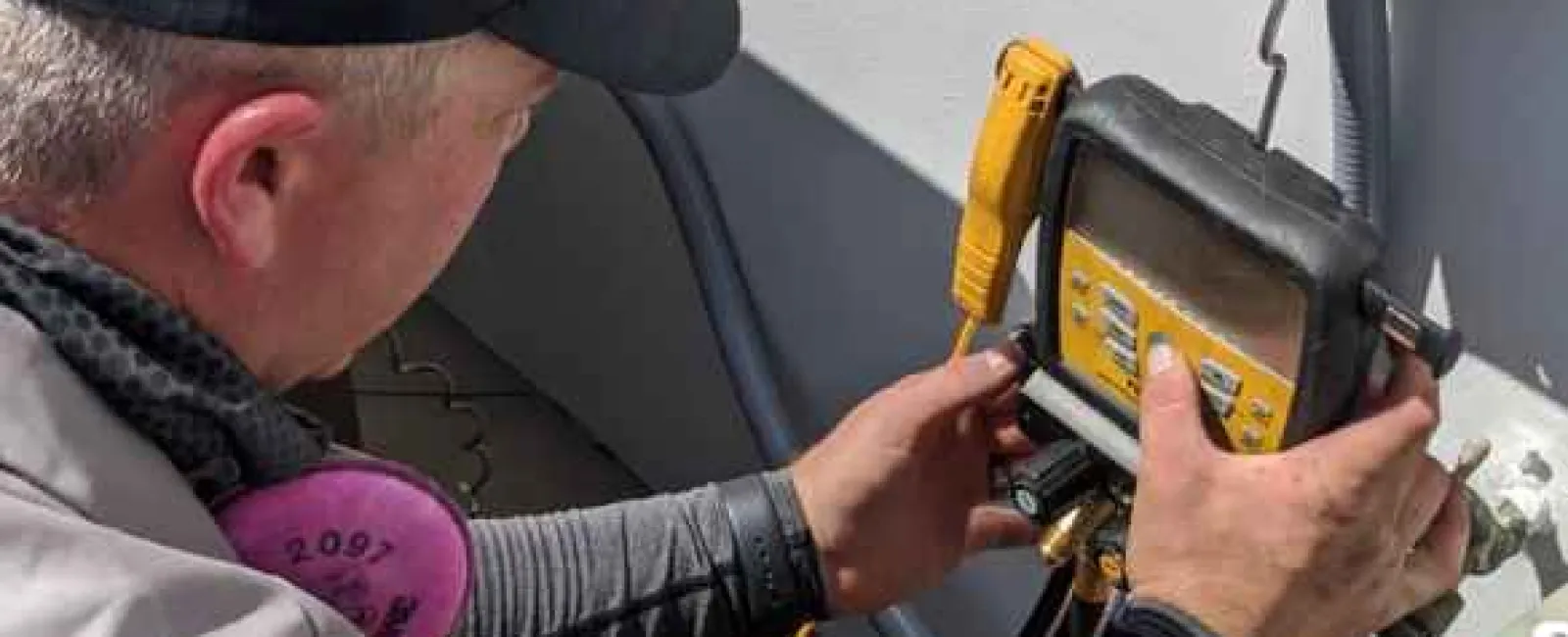
Annual professional furnace inspections catch problems before they become dangerous. Qualified HVAC technicians examine heat exchangers for cracks, test combustion efficiency, inspect and clean burners, verify proper venting, and measure carbon monoxide levels in the flue and near the furnace. This comprehensive inspection identifies issues that homeowners cannot detect through casual observation.
Installing carbon monoxide detectors on every level of your home provides essential protection. Place detectors outside sleeping areas and in hallways leading to bedrooms. Combination smoke and CO detectors simplify installation while providing comprehensive safety monitoring. Replace detector batteries annually and replace the entire unit according to manufacturer specifications, typically every 5 to 7 years.
Ensuring adequate ventilation and combustion air prevents oxygen starvation that causes incomplete combustion. Never block furnace air intakes or install furnaces in sealed closets without proper ventilation. If you've made your home more airtight through weatherization improvements, consult an HVAC professional about whether your furnace requires additional combustion air provisions.
Recognizing when your furnace reaches the end of its service life prevents carbon monoxide risks from aging equipment. Furnaces typically last 15 to 20 years. As they age, heat exchanger cracks become increasingly likely. If your furnace approaches or exceeds this age range, consider replacement before a crack develops rather than waiting for failure.
What to Do If You Suspect CO Problems
If your carbon monoxide detector alarms or if family members experience symptoms suggesting CO exposure, take immediate action. Evacuate everyone from the house immediately and call 911 from outside. Do not re-enter the home to investigate, gather belongings, or turn off equipment. Carbon monoxide concentrations can reach lethal levels quickly, and every minute of exposure increases health risks.
After emergency responders have measured CO levels and determined the home is safe for re-entry, contact HVAC professionals to identify and repair the source. Do not operate your heating system until professionals have inspected it, identified the problem, and completed necessary repairs.
Anyone experiencing carbon monoxide poisoning symptoms should seek medical evaluation even if they feel better after leaving the contaminated environment. CO poisoning can cause delayed neurological effects, and medical professionals can assess whether treatment is needed.
Professional Assessment and Remediation
Carbon monoxide problems require professional expertise to diagnose and repair correctly. HVAC technicians have specialized equipment to measure CO levels, perform combustion analysis, and inspect equipment thoroughly. Attempting DIY furnace repairs risks creating additional hazards or failing to identify all problems.
At Total Home Environmental, we provide comprehensive indoor air quality services for Atlanta-area homeowners, including carbon monoxide testing and evaluation. While HVAC contractors handle furnace repairs, our environmental assessments identify all potential CO sources in your home and verify that remediation has been successful. Protecting your family from carbon monoxide requires vigilance, proper equipment maintenance, and immediate response to any warning signs. The invisible nature of this threat makes prevention through regular inspections and reliable detection equipment absolutely essential.


