
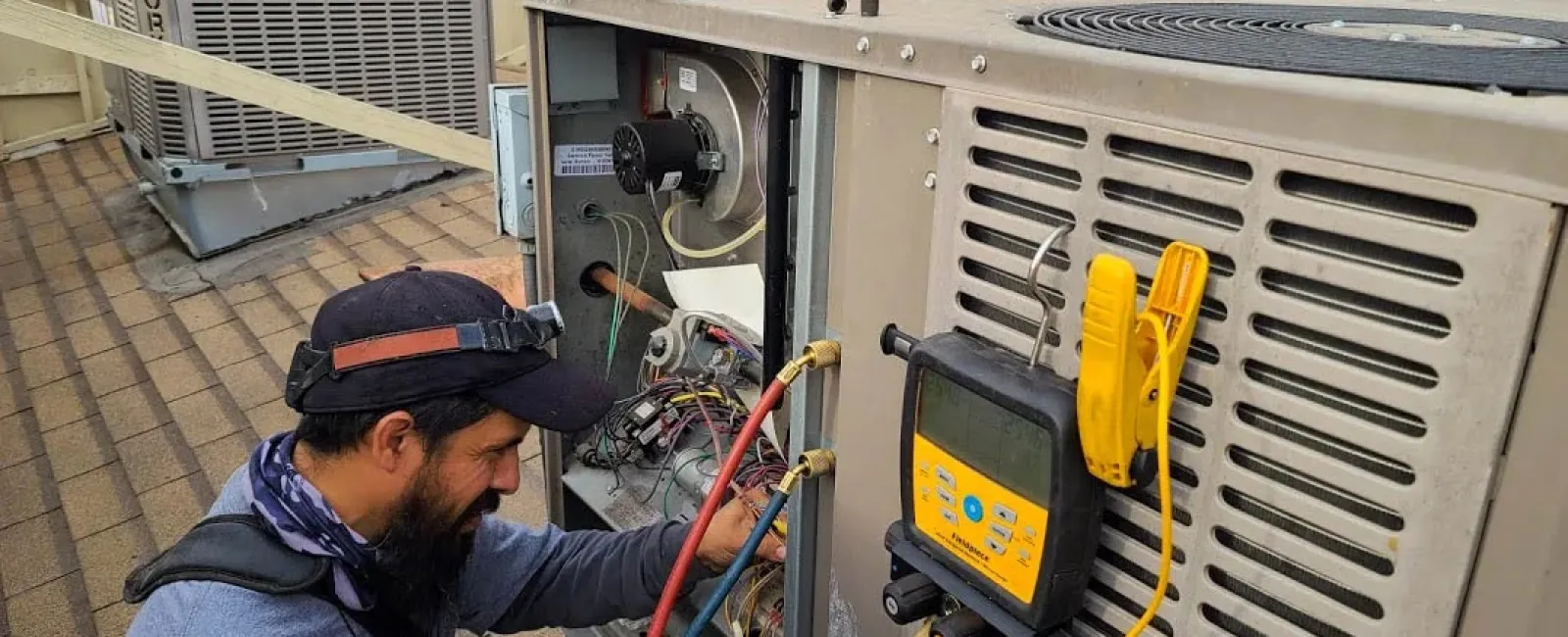
Most homeowners focus on obvious aspects of home maintenance like landscaping, paint, and appliances while overlooking one of the most critical factors affecting their health and comfort: indoor air quality. The air inside your home can be significantly more polluted than outdoor air, and given that Americans spend roughly 90% of their time indoors, the quality of that air directly impacts your family's health and wellbeing.
What Affects Indoor Air Quality
Indoor air quality depends on numerous factors, many of which homeowners can control with proper attention and maintenance. Understanding these factors helps you identify potential problems and take steps to improve the air your family breathes daily.
Moisture problems top the list of indoor air quality issues. Excess humidity creates ideal conditions for mold growth, dust mites, and bacteria. In Georgia's humid climate, controlling indoor moisture becomes particularly challenging. Leaking pipes, roof damage, foundation cracks, and inadequate ventilation all contribute to elevated humidity levels that compromise air quality.
Chemical pollutants from building materials, furnishings, and household products release volatile organic compounds (VOCs) into your indoor air. New carpeting, pressed wood furniture, paint, cleaning products, and air fresheners all emit chemicals that accumulate in enclosed spaces. While individual products may meet safety standards, the combined effect of multiple sources can create unhealthy indoor environments.
Inadequate ventilation traps pollutants inside your home. Modern construction emphasizes energy efficiency through tight building envelopes that prevent air exchange between inside and outside. While this saves on heating and cooling costs, it also means contaminants generated indoors have nowhere to go, building up to problematic concentrations.
Combustion sources including gas stoves, fireplaces, and attached garages introduce carbon monoxide, nitrogen dioxide, and particulate matter into your home. Even properly functioning appliances generate these pollutants, and equipment problems can create dangerous conditions quickly.
Biological contaminants such as mold, pollen, pet dander, and dust mites trigger allergies and respiratory problems. These microscopic particles circulate through your HVAC system and accumulate in carpeting, upholstery, and bedding where they cause ongoing health effects.
Health Effects of Poor Indoor Air Quality
The health impacts of poor indoor air quality range from minor annoyances to serious medical conditions. Understanding these effects helps you recognize when air quality problems exist and motivates action to address them.
Respiratory symptoms often provide the first indication of air quality issues. Coughing, wheezing, shortness of breath, and chest tightness all signal that something in your indoor environment irritates your respiratory system. These symptoms may worsen at specific times or in particular rooms, providing clues about pollution sources.
Allergic reactions including sneezing, runny nose, itchy eyes, and skin rashes indicate exposure to allergens like mold spores, dust mites, or pet dander. People with existing allergies or asthma experience exacerbated symptoms when indoor air quality is poor.
Fatigue, headaches, and difficulty concentrating are common complaints in buildings with poor air quality. These non-specific symptoms often get attributed to other causes when indoor air pollution is actually responsible. Workers in commercial buildings recognize this as "sick building syndrome," but homes can create the same problems.
Long-term exposure to poor indoor air quality contributes to chronic respiratory conditions, increased infection rates, and potentially more serious health problems. Children, elderly family members, and those with existing health conditions are particularly vulnerable to indoor air pollution effects.
Identifying Air Quality Problems
Recognizing air quality issues requires attention to both environmental conditions and health symptoms. Several indicators suggest your home may have air quality problems requiring professional attention.
Visible mold growth anywhere in your home signals both a moisture problem and an immediate air quality concern. Mold releases spores and mycotoxins that circulate through your home's air, causing health effects even in people who aren't in direct contact with the mold growth itself.
Musty odors indicate hidden mold or mildew even when you can't see visible growth. These smells often come from within walls, under flooring, or in crawl spaces and attics where moisture problems go unnoticed until they become severe.
Condensation on windows, walls, or pipes indicates excessive indoor humidity. This moisture will eventually lead to mold growth, wood rot, and other problems that compromise air quality. Persistent condensation requires investigation to identify and correct the underlying moisture source.
Excessive dust accumulation despite regular cleaning suggests problems with your HVAC system's filtration or indicates that building materials are deteriorating and releasing particles into your air. Dust that appears quickly after cleaning deserves investigation.
Family members experiencing symptoms that improve when away from home provide strong evidence of indoor air quality problems. If allergies, respiratory symptoms, or headaches consistently occur at home but resolve when you're elsewhere, your indoor environment likely contains pollutants affecting your health.
Common Sources of Indoor Pollutants
Identifying pollution sources helps you address air quality problems effectively. Many common household items and conditions contribute to poor indoor air quality without homeowners realizing their impact.
HVAC systems can either improve or worsen air quality depending on their condition and maintenance. Dirty filters, contaminated ductwork, and malfunctioning equipment distribute pollutants throughout your home. Regular maintenance and filter replacement help, but contaminated systems may require professional cleaning or remediation.
Water damage from leaks, floods, or high humidity creates conditions where mold and bacteria thrive. Even minor water intrusion that dries quickly can leave behind mold growth in hidden areas. Building materials that get wet and aren't properly dried and remediated harbor mold that continuously releases spores into your air.
Building materials and furnishings emit chemicals for months or years after installation. Formaldehyde from pressed wood products, VOCs from carpeting and padding, and chemicals from synthetic fabrics all contribute to indoor air pollution. New construction and recently remodeled homes often have particularly high chemical concentrations.
Cleaning products, air fresheners, and personal care products release chemicals with every use. Many people unknowingly worsen their indoor air quality while trying to clean their homes. Switching to low-VOC cleaning products and eliminating artificial air fresheners improves air quality immediately.
Attached garages deserve special attention as they can introduce significant pollutants into living spaces. Car exhaust, stored chemicals, and other garage contaminants enter your home through connecting doors and shared walls. Proper sealing and ventilation minimize this pollution source.
Improving Your Indoor Air Quality
Taking action to improve indoor air quality protects your family's health and makes your home more comfortable. Several strategies work together to create healthier indoor environments.
Source control, eliminating or reducing pollutant sources, provides the most effective approach. Fix water leaks promptly, maintain HVAC equipment properly, choose low-VOC products, and prohibit smoking indoors. Addressing problems at their source prevents pollutants from entering your air in the first place.
Ventilation dilutes indoor pollutants by exchanging stale indoor air with fresh outdoor air. Opening windows when weather permits, using exhaust fans in bathrooms and kitchens, and ensuring your HVAC system includes adequate fresh air exchange all improve air quality through ventilation.
Air cleaning using filters, purifiers, or other technologies removes pollutants from your indoor air. High-efficiency HVAC filters capture particles that standard filters miss. Standalone air purifiers with HEPA filters effectively remove particulates in specific rooms. Some situations benefit from specialized equipment like dehumidifiers or air scrubbers.
Humidity control prevents mold growth and reduces dust mite populations. Maintaining indoor humidity between 30% and 50% creates comfortable conditions while discouraging biological contaminants. Dehumidifiers help in humid climates like Georgia's, while humidifiers prevent excessive dryness during winter.
When to Seek Professional Help
While homeowners can address many air quality issues independently, some situations require professional expertise. Knowing when to call experts ensures problems get resolved properly and completely.
Visible mold growth, particularly extensive mold or mold in HVAC systems, requires professional remediation. Proper mold removal involves containment to prevent spore spread, addressing the underlying moisture problem, and thoroughly cleaning or removing contaminated materials. DIY mold cleanup often spreads spores throughout your home and fails to address hidden growth.
Persistent air quality problems despite your efforts to improve conditions suggest issues beyond simple solutions. Professional indoor air quality testing identifies specific pollutants and their concentrations, guiding targeted remediation strategies.
After water damage, professional assessment determines whether materials can be dried and saved or require removal and replacement. This evaluation should occur within 24 to 48 hours to prevent mold establishment. Professional water damage restoration includes moisture detection, proper drying techniques, and verification that drying is complete.
At Total Home Environmental, we help Atlanta-area homeowners identify and resolve indoor air quality problems. Our comprehensive services address mold remediation, water damage restoration, and air quality improvement, ensuring your home provides the healthy environment your family deserves.


