
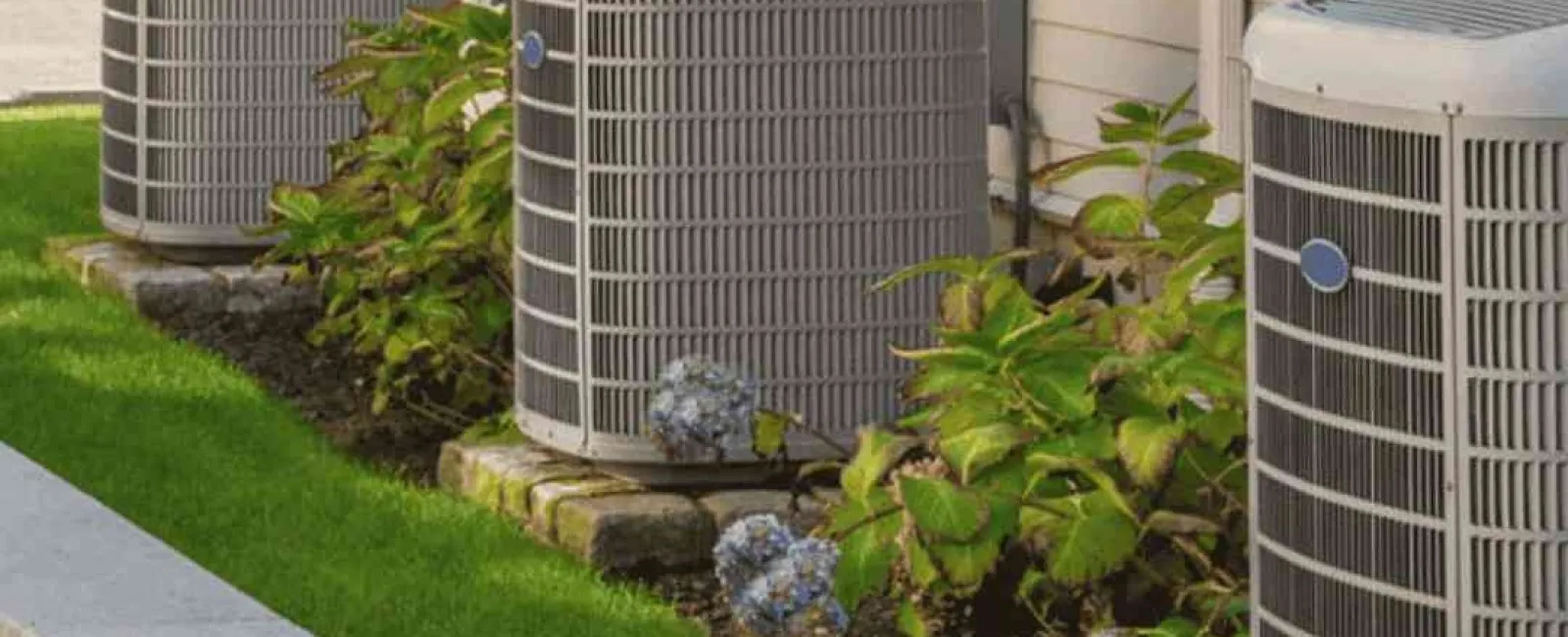
Air conditioners cannot produce carbon monoxide because they operate using electricity rather than combustion, but they can circulate this deadly gas throughout your home if carbon monoxide enters the ductwork from other sources. This occurs when fuel-burning appliances like furnaces, water heaters, or boilers develop leaks that allow carbon monoxide to migrate into unconditioned spaces where ductwork passes through, enabling your AC system to distribute it through every room. Understanding this distinction and implementing proper safety measures protects your household from this invisible threat.
Why Air Conditioners Don't Create Carbon Monoxide
Central air conditioning units use a closed-loop refrigeration cycle that transfers heat from inside your home to the outdoors through refrigerant. The outdoor condenser unit contains an electrically powered compressor, while the indoor evaporator coil connects to your ductwork. No combustion occurs anywhere in this process because the system relies entirely on electrical energy to power mechanical components and chemical phase changes in the refrigerant. Window units and mini-split systems operate on the same principle, using electric motors to move heat rather than generating it through fuel combustion.
This fundamental difference between electric cooling systems and fuel-burning heating equipment explains why air conditioners themselves pose zero risk of carbon monoxide generation. However, the ductwork that delivers cool air can become a distribution network for dangerous gases if they enter from other sources. Your air ducts act as highways that move whatever air they encounter, whether clean conditioned air or contaminated air from combustion equipment failures in attics, crawl spaces, or utility rooms.
How Carbon Monoxide Actually Enters Your HVAC System
Gas furnaces represent the primary carbon monoxide concern in residential HVAC systems because they burn natural gas to generate heat. When furnaces operate correctly, combustion gases flow through a heat exchanger before venting safely outdoors through dedicated flue pipes. Problems arise when heat exchangers develop cracks from years of thermal expansion and contraction, allowing carbon monoxide to escape into the air stream circulating through your home.
Water heaters burning natural gas or propane can leak carbon monoxide into crawl spaces, attics, or utility rooms where ductwork passes through. If your ducts have gaps, holes, or loose connections in these spaces, the negative pressure created by your air handler pulls contaminated air into the system. This phenomenon, called duct leakage, affects most homes to some degree. Typical residential duct systems lose between fifteen and thirty percent of conditioned air through leaks, which means they're simultaneously pulling in whatever air surrounds them.
Improperly vented combustion appliances create another pathway for carbon monoxide entry. When furnace flue pipes, water heater vents, or fireplace chimneys become blocked by debris, animal nests, or corrosion, combustion gases back up into surrounding spaces instead of venting outdoors. These gases accumulate in attics and crawl spaces where ductwork runs, creating reservoirs of contaminated air that your air conditioning system distributes through every room.
External sources also pose risks when vehicles, lawn equipment, or generators run in attached garages. Carbon monoxide from these sources can seep through shared walls or be pulled into ductwork that services rooms above garages. Using charcoal grills or portable heaters indoors creates immediate dangerous conditions that HVAC systems rapidly circulate throughout living spaces.
Understanding Carbon Monoxide Behavior and Detection
Carbon monoxide weighs slightly less than air, causing it to rise and disperse evenly throughout spaces rather than settling. When your air conditioning system operates, it accelerates this natural dispersion by actively moving air through ducts and vents, potentially spreading carbon monoxide from a single leak point to every room within minutes. The gas provides no warning signs humans can detect without specialized equipment—it's completely colorless, odorless, and tasteless.
Carbon monoxide molecules bind to hemoglobin in your blood with an affinity two hundred times greater than oxygen, effectively suffocating your cells even while you continue breathing normally. Low-level exposure over several hours can be equally dangerous as high-level exposure over minutes because the cumulative effect gradually displaces oxygen in your bloodstream. People sleeping face particular danger since they remain exposed for extended periods without recognizing symptoms.
Initial poisoning symptoms often mimic common illnesses, creating dangerous delays in identifying the real problem. Headaches appear first, particularly tension-type headaches around the forehead and temples that improve when leaving the house and worsen upon returning. Dizziness, confusion, difficulty concentrating, unusual fatigue, muscle weakness, nausea, and vomiting follow as blood oxygen levels decline. Higher exposure produces chest pain, irregular heartbeat, loss of coordination, visual disturbances, and eventually unconsciousness.
Comprehensive Prevention and Safety Strategies
Installing carbon monoxide detectors throughout your home provides essential protection against this invisible threat. Place detectors outside sleeping areas so alarms wake occupants, and install additional units near fuel-burning appliances for early leak detection. Modern detectors display peak carbon monoxide levels and alert you to gradually increasing concentrations that might otherwise go unnoticed. Test devices monthly and replace batteries at least twice yearly.
Annual professional HVAC inspections catch potential problems before they become dangerous. Trained technicians examine heat exchangers for cracks using specialized cameras, test combustion efficiency, and verify proper venting of all combustion appliances. Inspections should include ductwork integrity assessment in crawl spaces and attics where leaks commonly develop. Schedule AC maintenance and furnace services at appropriate seasonal intervals for year-round protection.
Professional duct sealing eliminates pathways allowing carbon monoxide from surrounding spaces to enter your air distribution system. Technicians use mastic compounds or aerosol sealants to close gaps and holes from inside, creating an airtight system that only moves intentionally conditioned air. This improvement enhances safety while significantly improving heating and cooling efficiency, often reducing energy bills enough to recover investment costs within several years.
Proper ventilation around fuel-burning appliances prevents carbon monoxide accumulation even if minor leaks develop. Ensure adequate clearance around furnaces, water heaters, and combustion equipment according to manufacturer specifications. Never block air intake vents or store items against these appliances. Keep chimney flues and exhaust vents clear of obstructions, and have them professionally inspected annually to verify proper draft and structural integrity.
System-Specific Safety Considerations
Mini-split air conditioning systems offer inherent safety advantages regarding carbon monoxide risks because they eliminate ductwork entirely. These systems use refrigerant lines and electrical connections between outdoor condensers and indoor air handlers, providing no pathways for contaminated air circulation. Homeowners with mini-splits still need carbon monoxide detectors and proper appliance maintenance, but the risk of distributing carbon monoxide through cooling systems essentially disappears.
High-efficiency furnaces with sealed combustion chambers provide superior carbon monoxide safety because they never draw indoor air for combustion. These systems pull air from outside through dedicated pipes, burn it completely, and vent exhaust gases back outside through separate pipes. This closed system eliminates backdrafting or combustion gas spillage possibilities. When replacing old heating equipment, strongly consider sealed combustion units for safety benefits alongside energy savings.
Older homes with floor furnaces or wall furnaces require particular attention because these systems often lack sophisticated safety controls found in modern equipment. These units typically sit in floors or walls without isolated combustion chambers, making proper combustion and venting absolutely critical. Professional inspection and consideration of modern furnace upgrades protect households using these older heating systems.
Emergency Response and Long-Term Maintenance
If your carbon monoxide detector alarms or you suspect presence based on symptoms, immediately evacuate all occupants and pets to fresh air outdoors. Do not investigate the source or attempt ventilation. Once everyone reaches safety, call emergency services from outside using a cell phone or neighbor's phone. Do not re-enter until professionals with calibrated instruments confirm your home is safe.
Develop a systematic maintenance schedule for all HVAC components and fuel-burning appliances. Spring air conditioning tune-ups prepare cooling systems while allowing ductwork inspection during favorable conditions. Fall heating maintenance checks combustion equipment before peak demand. This alternating schedule ensures annual attention to every component while spreading costs throughout the year.
Whole house air purification systems improve overall indoor air quality alongside carbon monoxide safety measures. While purifiers cannot remove carbon monoxide, they address allergens, volatile organic compounds, and particulate matter. Many modern systems integrate with HVAC equipment to continuously treat circulating air.
Understanding that air conditioners circulate rather than create carbon monoxide empowers homeowners to implement effective protection strategies. Through proper equipment maintenance, duct sealing, detector installation, and symptom awareness, you create multiple safety layers protecting your household from this invisible threat.


