
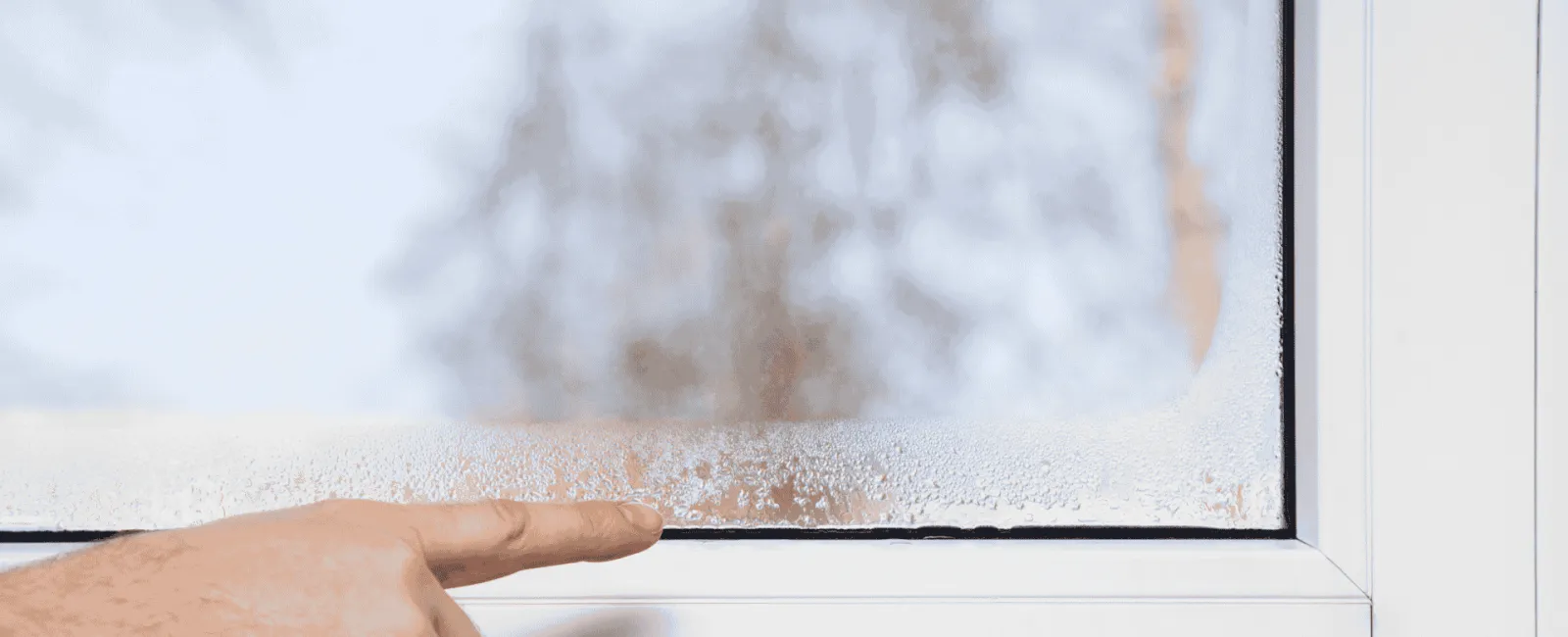
Water dripping from an air vent is condensation, not a leak from the system. A supply register carries air chilled to around 55 degrees, and when the humid air in the room meets that cold metal, the moisture in it turns to water on the surface. The vent is simply the coldest surface in the room, so it is where the water shows up first. That means dripping vents are almost always a humidity problem disguised as a plumbing one.
The distinction matters, because chasing it as a leak leads nowhere. The fix is not sealing the vent, it is dealing with the moisture in the air and the cold surface it condenses on. In the South Bay, where marine-layer humidity runs high for much of the year, sweating vents show up more often and stick around longer than they do in dry inland areas, which makes the humidity side of the problem the part worth solving.
Why the Water Forms in the First Place
Condensation happens whenever a surface is colder than the dew point of the surrounding air. The dew point is just the temperature at which air can no longer hold its moisture, and humid air has a high one. When indoor humidity climbs, the dew point climbs with it, and a metal register carrying 55-degree air easily drops below that line. The result is beads of water on the vent cover and drips onto the ceiling or floor below.
So the real driver is high indoor humidity. Anything that raises it, a damp coastal climate, poor ventilation, an oversized system that cools the air fast without running long enough to wring the moisture out, pushes the dew point up and puts the vents at risk. This is the same excess humidity discussed in our overview of summer humidity levels for South Bay homes, and vent sweating is one of the clearest signs it has gotten too high.
Poor Insulation and Air Leaks Around the Register
The second half of the problem is the cold surface itself. A register or duct boot that runs through a hot, humid space like an attic, with little or no insulation, stays cold on the room side and invites condensation. Worse, gaps around the register boot let humid air from the attic or a wall cavity reach the cold metal directly, and that pocket of unconditioned, moisture-heavy air condenses fast.
Insulating the duct and the boot, and sealing the gaps where the register meets the ceiling, keeps humid air away from the cold surface and raises the surface temperature enough to stay above the dew point. This kind of sealing overlaps with the broader duct issues that also cause an HVAC system to leak water, though the mechanism at the vent is condensation rather than a drain failure.
Airflow and System Sizing
A system that short cycles, cooling the house in quick bursts, never runs long enough to pull humidity out of the air, so the indoor dew point stays high even while the thermostat reads a comfortable temperature. Oversized equipment is a common cause of this, and it is one reason vents in a home with a too-large system sweat more than the neighbors' do. Weak or unbalanced airflow can also leave certain registers colder than others, concentrating the condensation at a few vents.
Correcting airflow, and in some cases addressing an oversized system, lets the equipment dehumidify the way it should, which is a factor in how coastal humidity affects overall HVAC performance across the South Bay.
What Actually Stops the Dripping
The steps that hold up over time all target humidity or the cold surface. Lowering indoor humidity is the most effective, whether through better ventilation, running the system long enough to dehumidify, or adding a dehumidifier sized for the home. Insulating and sealing the ducts and register boots keeps the metal warmer and blocks humid air from reaching it. Correcting airflow and sizing lets the system remove moisture properly rather than just chilling the air.
In a coastal climate, humidity control is usually the piece that makes the fix permanent, which is where a whole-house dehumidifier earns its place. Left alone, sweating vents stain ceilings, feed mold growth on and around the register, and signal the kind of excess moisture that hurts indoor air quality throughout the house, so the dripping is worth addressing before it turns into drywall and mold repair.
Sweating Vents in the South Bay?
Total Home Environmental tracks down the source of vent condensation across Torrance, Redondo Beach, Manhattan Beach, Long Beach, and the surrounding South Bay. Our technicians measure indoor humidity, inspect duct and register insulation, seal the leaks that let humid air reach cold metal, and size the humidity control your home actually needs. Before dripping vents stain your ceilings and grow mold, let us find the cause and stop it.
Call 310-340-6326 or schedule online.


