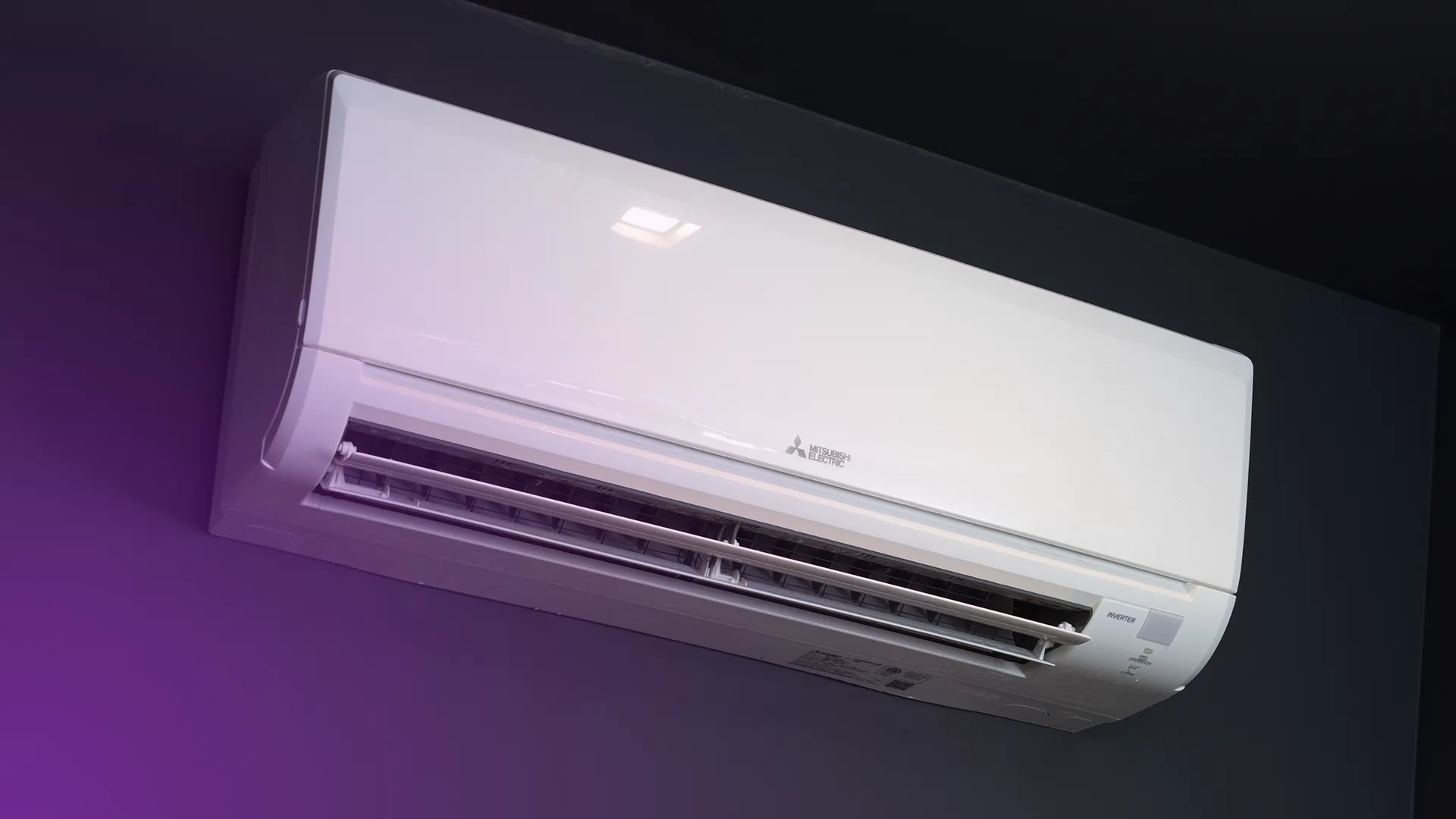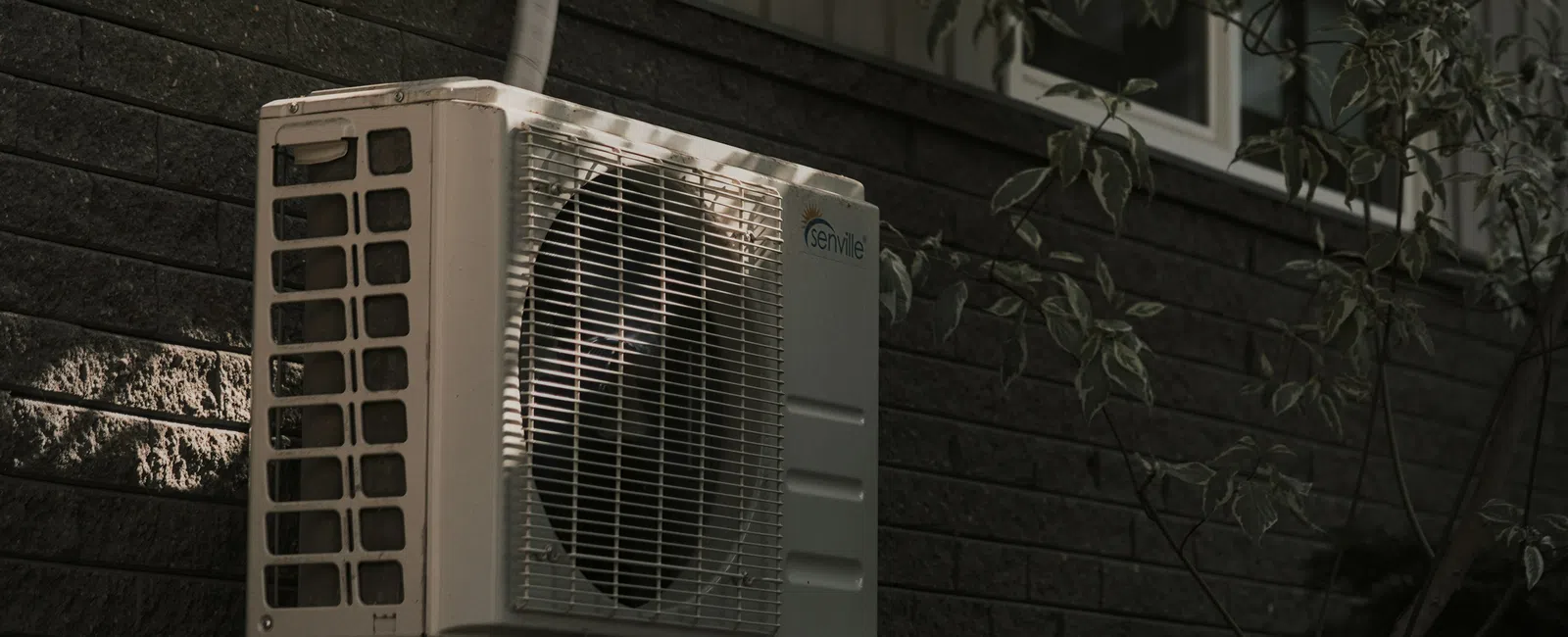
A central air conditioner pulls up to 20 gallons of water out of the indoor air on a humid day, and all of it exits through a single three-quarter-inch PVC condensate line. When that line clogs, the water has nowhere to go, and it backs up into the drain pan, onto the floor, into ceilings and walls, or it trips a safety switch that shuts the whole system down. The line itself is a small, cheap component, but its failure is one of the most common causes of water damage traced back to an HVAC system.
Algae, mold, dust, and dislodged insulation are what block it. Warm, damp, dark PVC is an ideal place for biological growth, and in the coastal humidity across the South Bay that growth happens faster than it does inland. The clog builds slowly, which is why the warning signs matter: catching one early is the difference between a quick line clearing and a drywall repair.
The Warning Signs
Water is almost always the first thing a homeowner notices. Standing water or puddles around the base of the indoor air handler mean the drain pan is overflowing because the line below it is blocked. Water stains, discoloration, or warping on a ceiling below an attic-mounted unit point to the same problem happening out of sight. If you open the air handler's access panel and find standing water in the pan, the line is not carrying water away as it should.
A musty or mildew smell from the vents is the second common sign. Stagnant water and mold inside the drain line produce odors that the airflow picks up and distributes through the house, often a smell that comes and goes as the system cycles. Higher-than-normal indoor humidity is a subtler version of the same drainage failure, since a system that cannot shed moisture properly leaves the air feeling muggy.
The sign that surprises people most is the system shutting off for no clear reason. Most modern systems have a float switch in the drain pan that shuts the air conditioner down when water rises to an unsafe level, specifically to prevent the overflow from flooding your home. So an AC that suddenly stops cooling, after you have already checked the thermostat, the breaker, and the filter, is very often a tripped float switch sitting on top of a clogged drain line.
Why It Matters More Than It Looks
The stakes are structural, not just mechanical. Overflowing condensate seeps into drywall, subfloors, insulation, and ceilings, and water damage remediation runs well into the thousands once it reaches those materials. Standing water in and around the air handler also grows mold within days in a humid climate, which becomes a health and air-quality problem on top of the repair bill. Water that reaches the electrical side of the unit, the blower motor, wiring, or control board, adds a short-circuit risk to the list.
A clogged drain line is closely related to the other reasons an air conditioner leaks water inside and the drain line is the single most common of them.
What You Can Do, and What to Leave to Us
A minor clog is sometimes clearable at home. With the system off, a wet/dry vacuum sealed over the end of the outdoor drain line can pull algae and debris back out, and flushing the line with distilled vinegar helps break down the buildup that causes the blockage. A monthly vinegar flush during cooling season is genuine prevention and keeps the line clear.
Some situations call for a technician rather than a vacuum. A drain pan that keeps overflowing after you clear the line, a musty smell that persists after flushing, repeated float-switch shutdowns, or water that has already reached the ceiling or walls all point to a clog deeper than household tools reach, or to mold that has spread into the system where DIY methods are no longer safe. In those cases a professional clears the full line, inspects the pan and float switch, and finds why the clog formed rather than just clearing this one.
Coastal Humidity and Your Drain Line
Homes across Torrance, Redondo Beach, Manhattan Beach, and the wider South Bay run their air conditioners through months of marine-layer humidity, which means the system produces more condensate and the drain line stays damp longer. Both conditions accelerate the algae growth that clogs the line, so coastal systems tend to clog more often than the once-a-year timeline many national guides assume. A drain-line flush and float-switch check are a standard part of seasonal service here, which is one reason a routine AC tune-up pays for itself against a single water-damage claim.
Water Around Your AC in the South Bay?
Total Home Environmental clears clogged condensate lines and repairs drainage problems across Torrance, Redondo Beach, Manhattan Beach, Long Beach, and the surrounding South Bay. Our technicians clear the full line, inspect the drain pan and float switch, and check for the water damage and mold a slow clog leaves behind. Before a backed-up line reaches your ceiling, let us clear it and find out why it clogged.
Call us today at 310-340-6023.