
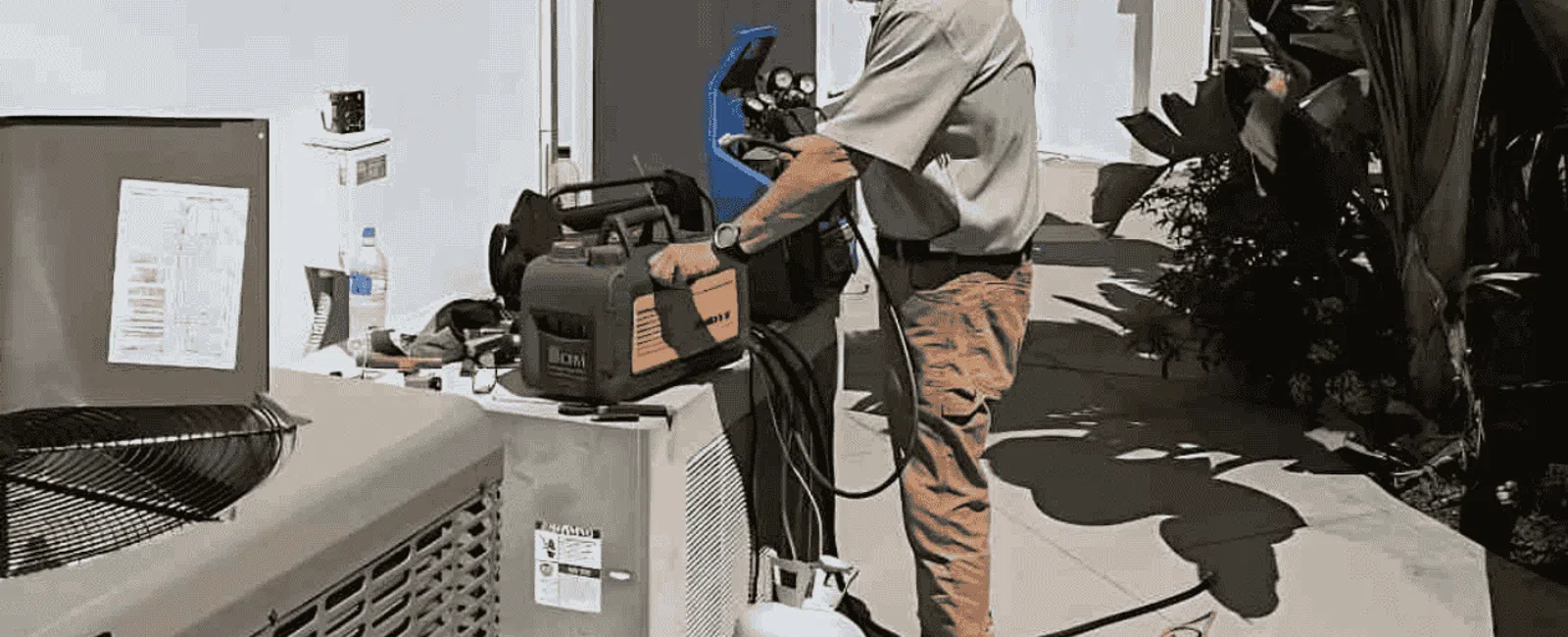
A furnace blowing cold air usually comes down to a thermostat setting, a clogged filter that makes the furnace overheat and shut off its burners, burners that won't light or stay lit, or ducts losing heat before it reaches your rooms. You can check the first two yourself in a few minutes. The rest need a technician, especially anything involving gas.
The quickest way to narrow it down is to notice when the cold air happens.
Is Cold Air From a Furnace Ever Normal?
A short burst of cool air when the furnace first kicks on is normal. Air that sat in the ducts since the last cycle comes out first, and many furnaces hold the blower for a short delay after the burners light so the heat exchanger can warm up. If the air turns warm within a minute or two, the furnace is doing its job.
Heat pumps are different. Their heating air feels cooler to the hand than furnace air even when everything works, and they can blow cool air for a few minutes during a defrost cycle. Lukewarm air from a heat pump isn't a problem on its own. Cold air that lasts, or a house that never reaches the thermostat setting, is a problem.
Check the Thermostat Before Anything Else
After months of running the AC, it's easy to miss a setting. Look at these first:
- Fan setting. It should be on AUTO. On ON, the blower runs between heating cycles and pushes room-temperature air through the vents, which feels cold.
- Mode. Make sure it's set to HEAT, not COOL or OFF.
- Temperature. Set it a few degrees above the current room temperature so the furnace gets a call for heat.
- Power and schedule. Weak batteries or a programmable schedule that reset after a power outage can stop the call for heat entirely.
If the fan was on ON, switching it to AUTO usually fixes the problem on the spot.
Warm at First, Then Cold: The Furnace Is Overheating
When the air starts warm and turns cold while the blower keeps running, the furnace has most likely overheated. A safety control called the high-limit switch shuts off the burners when the heat exchanger gets too hot, and the blower keeps going to cool it down. That cooling air is what you feel at the vents. Once things cool off, the burners relight and the cycle repeats.
Overheating almost always traces back to airflow.
A dirty filter is the most common reason a furnace overheats, and it's the fix most homeowners can handle. Pull the filter and hold it up to a light. If you can't see light through it, replace it with one the same size (printed on the frame), with the airflow arrow pointing toward the furnace. If you'd rather have it done for you, our special offers includes a check for overheating and a carbon monoxide test.
Closing supply vents in unused rooms, or parking a couch in front of a return grille, chokes the airflow the furnace depends on. Open every supply vent and clear the returns.
If the filter is clean and the vents are open but the furnace keeps cycling off, the cause is usually inside the system: a weak blower motor, a dirty blower wheel, or ductwork too small for the furnace. Don't let it keep tripping. Repeated overheating stresses the heat exchanger, and a cracked heat exchanger is a safety problem, not just a comfort one. This is the point to schedule gas furnace repair.
Burners That Won't Light or Won't Stay Lit
If you see or hear the burners light and then go out within a few seconds while the blower keeps running, the furnace is shutting itself down on purpose. A dirty flame sensor and a clogged condensate drain are the two usual causes.
The flame sensor is a thin metal rod that sits in the burner flame and confirms the gas is burning. When it's coated with residue, it can't detect the flame, so the control board shuts off the gas as a precaution. Cleaning or replacing it is a quick job for a technician, and keeping it clean is one reason a yearly furnace check pays off.
High-efficiency furnaces produce water as they burn gas and drain it through a small line or pump. If that line clogs or the pump fails, a safety switch stops the burners so water doesn't back up into the furnace. Water around the base of the furnace or gurgling from the drain line are the usual clues. This only applies to high-efficiency furnaces, which typically vent through plastic pipe instead of a metal flue.
If the blower runs but you never hear the burners fire, the ignition sequence is failing somewhere.
On an older furnace with a standing pilot light, check whether the pilot is out. Relighting instructions are usually printed on a label inside the furnace door. If the pilot won't stay lit, the thermocouple is the likely cause, and that's a repair for a technician.
Newer furnaces use an electronic igniter, which wears out and cracks with age. The pressure switch and inducer motor, which confirm the furnace is venting safely before it lights, can also stop the sequence. Many furnaces flash an error code through a small window in the door. Write down the blink pattern before you call, since it helps the technician narrow things down.
Check the gas supply too. If your stove or water heater isn't working either, call your gas utility. If you smell gas, don't relight anything or flip any switches. Leave the house and call the gas utility from outside.
Hot at the Furnace, Lukewarm at the Vents
Sometimes the furnace makes plenty of heat and it just never arrives. If the air near the furnace is hot but the farthest rooms get lukewarm air, look at the ducts. Leaky joints and disconnected runs in an attic or crawl space dump heated air into spaces you don't live in and pull cold air back into the system. Weak airflow from certain vents and rooms that never catch up are common signs. Sealing the leaks fixes the cause, and that's the work our air duct sealing service covers.
Electric Furnace Blowing Cold Air
Electric furnaces heat air with resistance elements instead of burners and usually have dedicated breakers in the electrical panel. If an element breaker trips, the blower can keep running and push room-temperature air through the house. Reset it once. If it trips again, leave it off, because a repeat trip points to a fault. When some elements work and others don't, the air comes out lukewarm, which usually means a failed element or the relay that switches it on. Either way, it's time for electric furnace repair.
When to Stop Troubleshooting and Call
Homeowner checks end at the thermostat, the filter, the vents and the breaker. Call a technician if:
- You smell gas (leave first, then call your gas utility)
- You notice a burning electrical smell, or a breaker trips again after a reset
- The furnace keeps overheating with a clean filter and open vents
- Water is pooling around the furnace
- The burners won't light or won't stay lit after you've checked the pilot and gas supply
Total Home Environmental repairs gas and electric furnaces from all major brands, and every repair we complete comes with a lifetime warranty. If your furnace is older and the repairs keep adding up, we'll tell you honestly whether furnace replacement makes more sense. Call 310-554-6477 or book furnace repair service online. Emergency service is available 24/7.


