
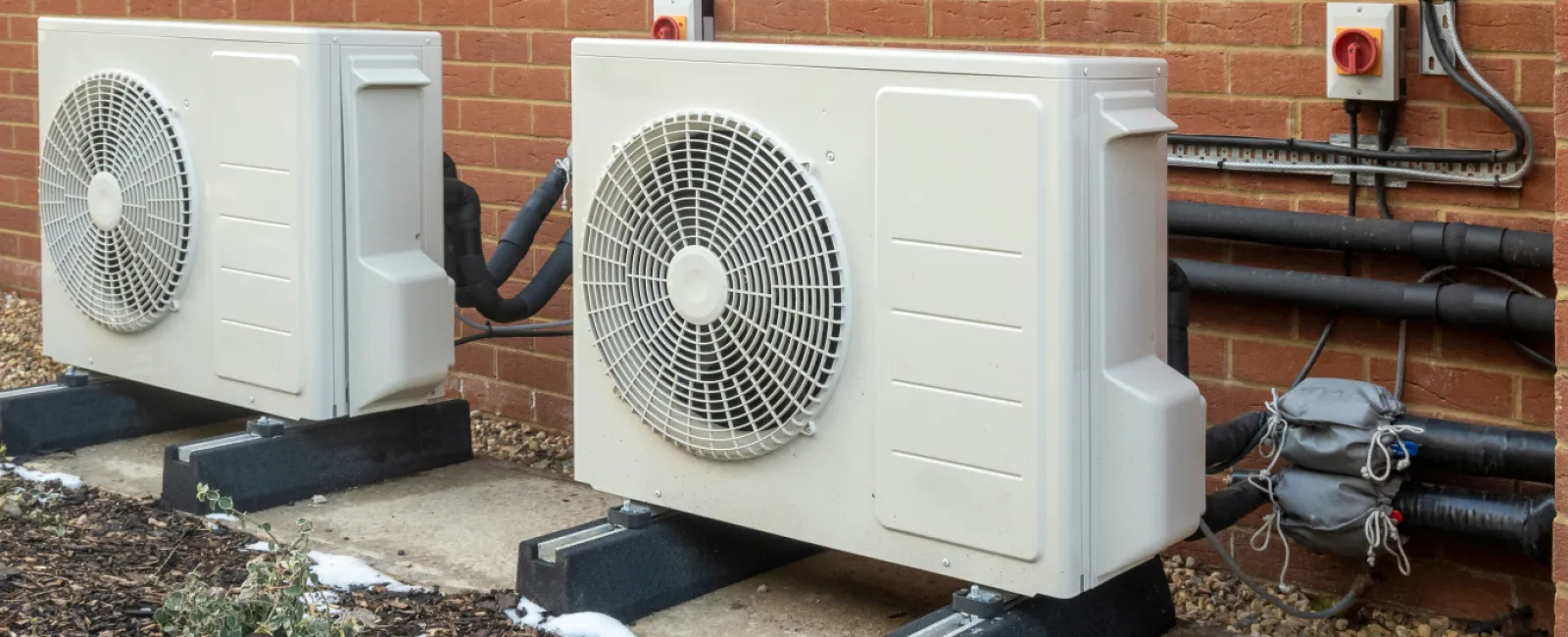
A heat pump that's losing efficiency, making unfamiliar sounds, icing over, or refusing to start isn't a problem you should leave to chance. Heat pump repair involves electrical components operating at high voltages, pressurized refrigerant circuits requiring EPA certification to handle, and diagnostic procedures that demand calibrated instruments most homeowners don't own. Knowing which symptoms signal an urgent HVAC repair versus routine maintenance keeps your home comfortable, your equipment running efficiently, and your costs manageable before a minor problem becomes a full system replacement.
How Heat Pumps Work and Why They Break Down
Heat pumps move heat rather than generate it, making them fundamentally different from furnaces and traditional air conditioners. During winter, a heat pump extracts heat energy from outdoor air and transfers it inside through a refrigerant cycle. During summer, it reverses that process, pulling heat from your indoor air and expelling it outdoors. A single system handles both heating and cooling year-round through a reversing valve that switches refrigerant flow direction.
The components involved span electrical, mechanical, and chemical systems: a compressor, an expansion valve, indoor and outdoor coils, a reversing valve, refrigerant lines, a blower motor, and control boards managing the entire sequence. Because these components interact so closely, a problem in one area frequently causes stress or damage in others. Understanding which symptoms correspond to specific failures helps you communicate clearly with your technician and understand what you're paying to repair.
Heat Pump Not Heating: What Cold Airflow Actually Means
A heat pump blowing cold air in heat mode is one of the most common reasons homeowners call for service, and it has multiple possible causes that require different repair approaches. The most benign explanation is the defrost cycle — a normal operating mode where the system temporarily reverses to melt frost from the outdoor coil. During these five-to fifteen-minute cycles, the system briefly switches to cooling mode, which can feel like cold air at the registers. If your system appears stuck in defrost or running defrost cycles unusually often, a failed defrost thermostat, defrost control board, or reversing valve problem needs professional diagnosis.
Low refrigerant charge produces inadequate heating that homeowners often describe as the system running constantly without reaching the set temperature. When refrigerant leaks reduce the system's charge, heat exchange efficiency drops, and the system simply cannot extract enough heat energy from outdoor air. A technician must locate and repair the leak before recharging to manufacturer specifications — simply adding refrigerant to a leaking system wastes money while the underlying damage continues.
Reversing valve failures can leave your heat pump stuck in cooling mode even when the thermostat is set to heat. Diagnosing this requires measuring refrigerant pressure differentials with manifold gauges, and the replacement process involves recovering refrigerant, brazing new copper connections, pressure testing, evacuating moisture with a vacuum pump, and recharging to specification — a repair sequence that cannot be performed without professional equipment.
Heat Pump Making Noise: What Each Sound Tells a Technician
Heat pumps produce recognizable baseline sounds: the hum of the compressor, the whoosh of air across coils, the click of the reversing valve during mode changes. New or changing sounds that fall outside these normal operating sounds almost always indicate a developing mechanical problem that will worsen if ignored. When noise is paired with reduced output, it's worth scheduling an AC repair visit before the problem compounds.
Grinding or screeching from the outdoor unit typically indicates bearing failure in the condenser fan motor. Running the fan with failed bearings risks seizure that can damage motor windings or cause the fan blade to contact the coil. A technician can often replace just the bearings or the motor assembly before fan blade or coil damage adds to the repair cost.
Banging or clanging from the outdoor unit suggests a loose or broken fan blade, a vibrating refrigerant line, or — in more serious cases — components inside the compressor that have come loose. Compressor internal noise described as rattling or knocking that seems to originate deep inside the unit indicates internal mechanical failure that typically means compressor replacement.
Clicking sounds beyond the normal relay clicks at startup can indicate a failing contactor, a relay arcing due to electrical pitting on its contact surfaces, or a control problem causing rapid short cycling. Repeated clicking without the system fully turning on points toward a locked compressor, a failed start capacitor, or a contactor problem that a technician can typically diagnose within minutes.
Heat Pump Ice Buildup: Normal Frost vs. a Real Problem
Light frost on the outdoor coil during cold weather is expected and normal. Heat pumps extract heat from outdoor air, which causes moisture to freeze on the coil surface, which is exactly why heat pumps run periodic defrost cycles. You might notice steam rising from the outdoor unit during defrost — that's perfectly normal condensation vaporizing as the coil warms.
Ice buildup that covers the entire outdoor unit, encases the coil in thick layers, or persists longer than forty-five minutes indicates a problem requiring professional attention. Severe icing develops when defrost cycles fail to complete, when airflow across the outdoor coil is restricted, or when low refrigerant charge causes the coil to run abnormally cold. Once a unit becomes encased in ice, the ice itself blocks airflow and can cause compressor damage from liquid refrigerant flooding back through the suction line.
Never attempt to chip or knock ice off a heat pump's outdoor coil. The aluminum fins and copper refrigerant tubing are easily bent or punctured, and damage to the coil turns a defrost system repair into a refrigerant leak repair plus coil replacement. If your outdoor unit is iced over, turn the system off and allow the ice to melt naturally while you contact a technician.
Heat Pump Short Cycling: The Problem That Destroys Compressors
Short cycling — where your heat pump turns on, runs for only a few minutes, shuts off, and repeats every five to ten minutes — causes more compressor damage per operating hour than almost any other heat pump problem. Compressors experience their highest stress at startup, and a compressor that starts and stops twenty or thirty times per hour experiences dramatically accelerated wear.
Low refrigerant charge causes short cycling through a specific mechanism: when refrigerant pressure drops too low, a low-pressure safety switch trips to protect the compressor. The system shuts off, pressure equalizes slightly, the switch resets, the system starts again, pressure drops again, and the cycle repeats. This protection mechanism is doing its job, but the underlying refrigerant leak still needs professional diagnosis and repair.
Thermostat problems cause short cycling when the sensor misreads room temperature, calling for heating or cooling in short bursts based on inaccurate data. A thermostat located near a heat source, in direct sunlight, or in an area with poor air circulation reads temperatures that don't reflect your home's actual conditions. Technicians test thermostat function by monitoring actual system run times alongside control signals to determine whether the problem originates in the control system or the mechanical equipment.
Heat Pump Won't Turn On: Starting Simple
Before calling for service, verify that both circuit breakers serving the outdoor and indoor units are fully on — heat pump systems use two dedicated circuits, and either can trip independently. Reset a tripped breaker once by switching it fully off before returning it to on. A breaker that trips again immediately indicates an electrical fault requiring professional diagnosis rather than repeated resets. If you can't identify the cause, emergency AC repair is available for situations where you can't afford to wait.
Capacitor failures prevent compressors and fan motors from starting despite receiving the correct electrical supply voltage. Capacitors provide the electrical boost that starts motor windings rotating at startup, and they degrade over the years of thermal cycling. A failed capacitor leaves the motor humming without actually spinning, drawing locked-rotor amperage that quickly triggers thermal protection switches or trips breakers. Capacitor replacement is one of the more common heat pump repairs — but it requires safely discharging stored electrical charge before handling, which can cause serious injury without the correct equipment.
Contactor failures prevent power from reaching the outdoor unit even when the control board sends the correct signal. A failed contactor may fail to close when commanded, leaving the outdoor unit completely dead while the indoor air handler continues running and blowing unconditioned air. Technicians confirm contactor failure by measuring voltage presence at both the line and load sides during a thermostat call for operation.
Electrical Problems and High Energy Bills
A sudden spike in your electric bill without a change in usage or outdoor temperatures warrants heat pump inspection, even when the system appears to be operating normally. Heat pumps with degraded refrigerant charge, dirty coils, failing compressors, or stuck supplemental heat strips all consume more electricity per unit of heating or cooling delivered. The system compensates for reduced efficiency by running longer and working harder, which translates directly to higher electric bills before obvious performance problems develop. Scheduling annual AC maintenance is one of the most reliable ways to catch these efficiency losses before they show up on your utility statement.
Burning smells from the air handler or outdoor unit, flickering lights when the heat pump starts, or repeated breaker trips you cannot explain require immediate professional attention. Electrical arcing, damaged wiring insulation, and components drawing excessive current represent both equipment damage risks and potential fire hazards. Never ignore burning electrical odors from HVAC equipment. Shut the system off and schedule same-day service.
Recognizing When to Call
Heat pump problems that resolve temporarily but keep returning — performance that improves for a few days after you reset breakers, then declines again — indicate underlying issues that will continue until properly diagnosed and repaired. The symptoms you're experiencing at home are symptoms, not the disease, and the disease is actively damaging components during each event.
The signs covered here — inadequate heating or cooling, unfamiliar noises, ice accumulation, water or refrigerant leaks, short cycling, failure to start, and unexplained energy bill increases — represent the most common reasons homeowners in Los Angeles, Torrance, Long Beach, Irvine, and the surrounding South Bay call Total Home Environmental for heat pump repair. Each symptom has a clear diagnostic pathway that trained technicians follow to identify root causes and provide repair options. The sooner a developing problem reaches a technician, the more options exist between repair and replacement — and the lower the total cost of getting your home comfortable again.


