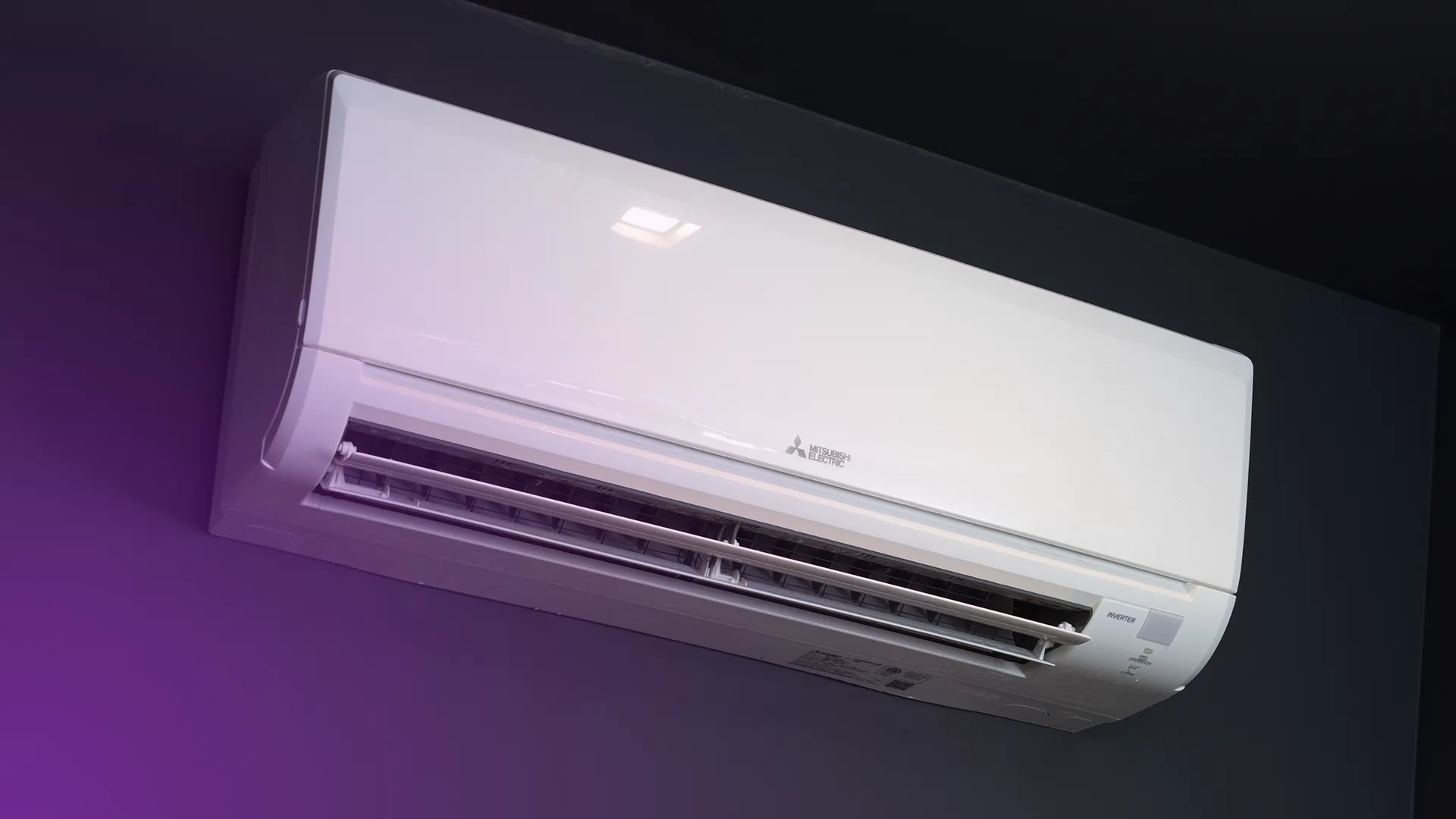
If you bought your home in the early 2000s and the air conditioner that came with it is still running, you've probably wondered how much time you have before things go sideways. Maybe you're hearing a new noise, watching your electric bill climb, or just doing the math on how old your equipment really is. The honest answer to "how long will my HVAC last" depends on what you have, how it was installed, how often it gets serviced, and where you live. That last factor matters more than most homeowners realize, especially in the coastal pocket of Los Angeles, where salt-laden air and year-round humidity quietly chew through metal components.
National averages give you a starting point, but they assume the kind of moderate inland climate that lets equipment coast. Out here in the South Bay, your system is doing harder work in tougher conditions, even if you don't feel it on a mild 72-degree afternoon.
Central Air Conditioner Lifespan: 15 to 20 Years
A well-installed, properly maintained central air conditioner is generally rated to last 15 to 20 years. That window assumes annual maintenance, correctly sized equipment, sealed ductwork, and a relatively forgiving climate. Inland units often hit the upper end of that range. Coastal units rarely do.
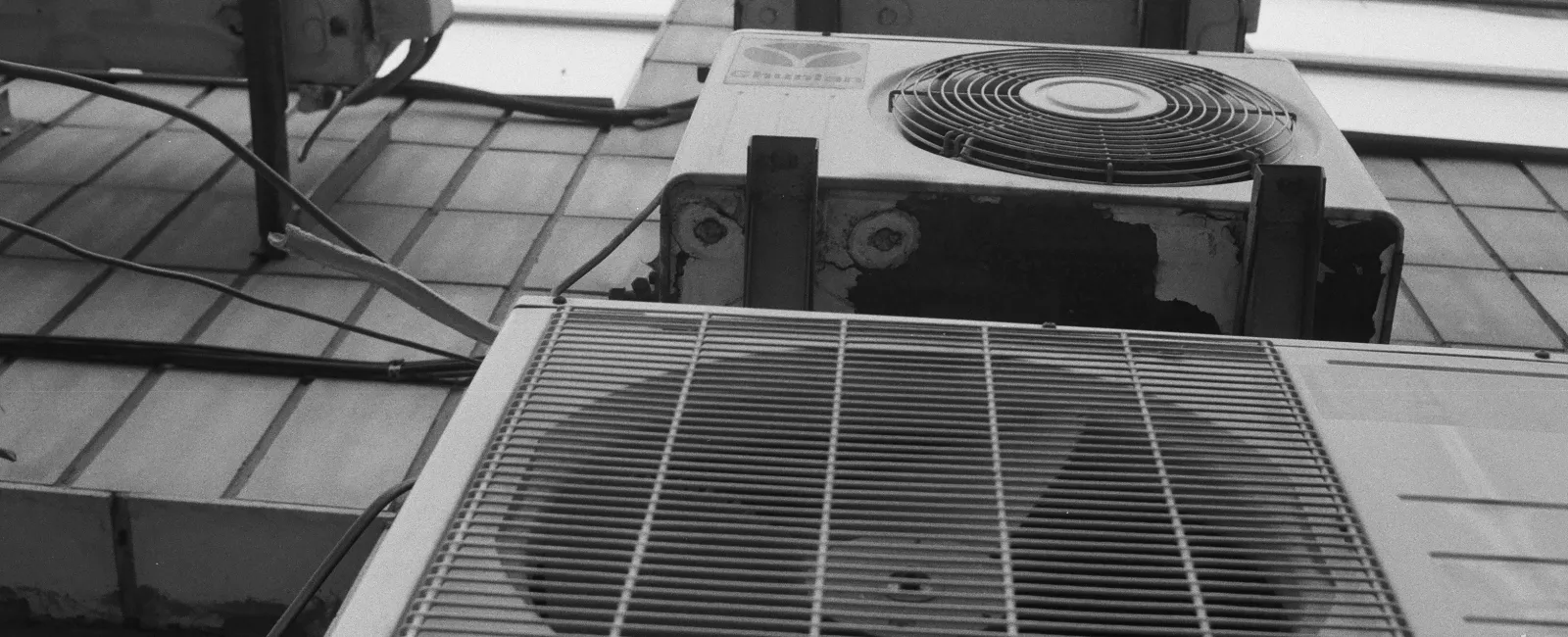
The compressor, condenser coil, and outdoor cabinet take the brunt of environmental wear. Salt air corrodes aluminum fins, copper line sets, and electrical contactors. UV exposure breaks down rubber gaskets and refrigerant line insulation. By year 10 or 12, a lot of South Bay AC units are already showing pitted coils, rusted screws, and degraded capacitors. The system might still cool the house, but its efficiency has dropped, and it's running longer cycles to do the same job.
If your central AC is past 12 years and you're starting to call for service more than once a season, you're in the territory where a replacement conversation makes sense. Our team handles diagnostics and major component decisions through our AC repair service, and we're frank about when patching makes sense versus when you're throwing money at a system that's done.
Gas Furnace Lifespan: 20 to 30 Years
Gas furnaces last longer than air conditioners because they have fewer outdoor exposures and a simpler set of moving parts. A modern, high-efficiency furnace that gets yearly tune-ups can run 20 to 30 years before the heat exchanger cracks or the burner assembly fails beyond reasonable repair. Learn more about how long gas furnaces usually last.
That said, longevity isn't the only metric that matters. A 22-year-old furnace might still light up reliably, but it's almost certainly an 80% AFUE unit competing against modern systems running at 95% or higher. The fuel you're paying for is doing less work. Carbon monoxide risk also climbs as heat exchangers age, which is why annual inspections matter so much once a furnace crosses the 15-year mark. For more on safety, see our post on can your HVAC system cause carbon monoxide poisoning?
In coastal Southern California, furnaces actually tend to outlast their AC counterparts by a wide margin because they run far fewer hours per year. A South Bay furnace might log 200 to 400 operating hours annually compared to 1,500-plus for the air conditioner. The catch is that low-use furnaces can develop their own problems: rodent intrusion, dust accumulation in the burner assembly, condensation issues in the flue, and pilot or igniter failures after sitting idle for months at a time.
Heat Pump Lifespan: Around 15 Years
Heat pumps are the hardest-working piece of HVAC equipment in any home that uses one for both heating and cooling. They run year-round, which means they accumulate operating hours roughly twice as fast as a system that only cools. That's the main reason their service life lands closer to 15 years on average, even with good care.
Coastal homes push that number down further. A heat pump's outdoor unit is essentially an air conditioner with a reversing valve and additional refrigerant components, and every one of those parts is exposed to the same salt and moisture that punishes a standard AC condenser. Reversing valves are particularly sensitive to debris and corrosion, and a failed valve on a 12-year-old heat pump is often the moment homeowners decide to replace rather than repair. For advice on when to get help, see heat pump repair: signs you need a pro.
If you've got a heat pump pushing 13 or 14 years, schedule a thorough evaluation before the next season change. Refrigerant performance, defrost cycle behavior, and electrical component integrity all start to drift in ways that show up as higher bills before they show up as outright breakdowns.
Why South Bay Systems Don't Hit National Averages
Manufacturers test equipment under controlled conditions. Real-world lifespan depends on the air your system breathes and the load it carries. Three coastal factors stack the deck against HVAC equipment in Torrance, Long Beach, Manhattan Beach, Hermosa, Redondo, and the rest of the South Bay corridor.
The first is salt aerosol. The marine layer carries dissolved sodium chloride miles inland regularly. When that air contacts a metal coil, the salt deposits and accelerates oxidation. You can see it visibly on the white aluminum fins of any older condenser within a few miles of the water. The second is humidity. Coastal RH levels stay elevated even when temperatures are mild, which keeps refrigerant systems working harder against latent load and keeps electrical components in a constantly moist environment. The third is dust and particulate, much of it fine and abrasive, that builds up on coils, blower wheels, and filter housings.
The practical result is that a 15-year national average for AC equipment translates to closer to 10 to 13 years in real coastal use. A 20-year furnace average holds up better here, but only because furnaces are largely sheltered from the worst of the corrosion exposure.
Signs Your System Is Nearing the End
Most HVAC equipment doesn't fail dramatically. It declines. Cycles get longer. The temperature differential between supply and return shrinks. Bills creep upward. Rooms that used to cool evenly start to feel uneven. You hear a low hum or vibration that wasn't there last year. The thermostat calls for cooling at noon and doesn't catch up until 4 p.m.
When two or three of those symptoms show up at once, the system is telling you something. A capable technician can pull static pressure readings, measure subcooling and superheat, and check amp draw on the compressor to see how far performance has slipped from spec. If the numbers are well off and the equipment is past its expected life, repair becomes a stopgap rather than a fix.
How Maintenance Changes the Equation
Regular service genuinely extends equipment life, and the math is straightforward. A clean coil moves heat efficiently. A properly charged refrigerant loop keeps the compressor from overworking. Tight electrical connections prevent the small voltage drops that age contactors and capacitors. Clean filters protect blower motors. Sealed ductwork keeps the system from compensating for losses it shouldn't be carrying. For more on duct upkeep, see how often should you clean your air ducts?
A coastal HVAC system that gets a spring tune-up and a fall tune-up every year, plus a quarterly filter change, will routinely run two to four years longer than an identical system that gets attention only when something breaks. That's not marketing language; that's compressor hours and bearing wear translated into time. Our HVAC maintenance service covers the inspection, cleaning, and performance testing that make the difference, especially for homes within a few miles of the coast.
When Repair Stops Making Sense
There's a point where continued repairs cost more than they save, and recognizing it requires looking at more than just age. A 16-year-old condenser that needs a new compressor isn't usually worth the investment, even when the repair is technically possible. The system around the compressor is also aging, and you're likely to be back in service territory within a year or two anyway.
Other replacement triggers include refrigerant type (R-22 systems are increasingly impractical to service), heat exchanger cracks on furnaces, repeated compressor or motor failures, and ductwork so degraded it's bottlenecking any equipment connected to it.
If you're in Torrance, Long Beach, Los Angeles, or anywhere across the South Bay and you're trying to figure out where your system stands, our team can do a proper evaluation rather than guess from age alone. Two homes of the same age can be in completely different positions depending on installation quality, maintenance history, and proximity to the water. We'd rather give you a straight read on what you actually have than push a replacement you don't need yet, or let you patch a system that's costing you more than it should every month.
For homes already past the warning signs and dealing with active failures, our HVAC repair team handles diagnostics and emergency service across the South Bay. The earlier you get eyes on a struggling system, the more options you have.