
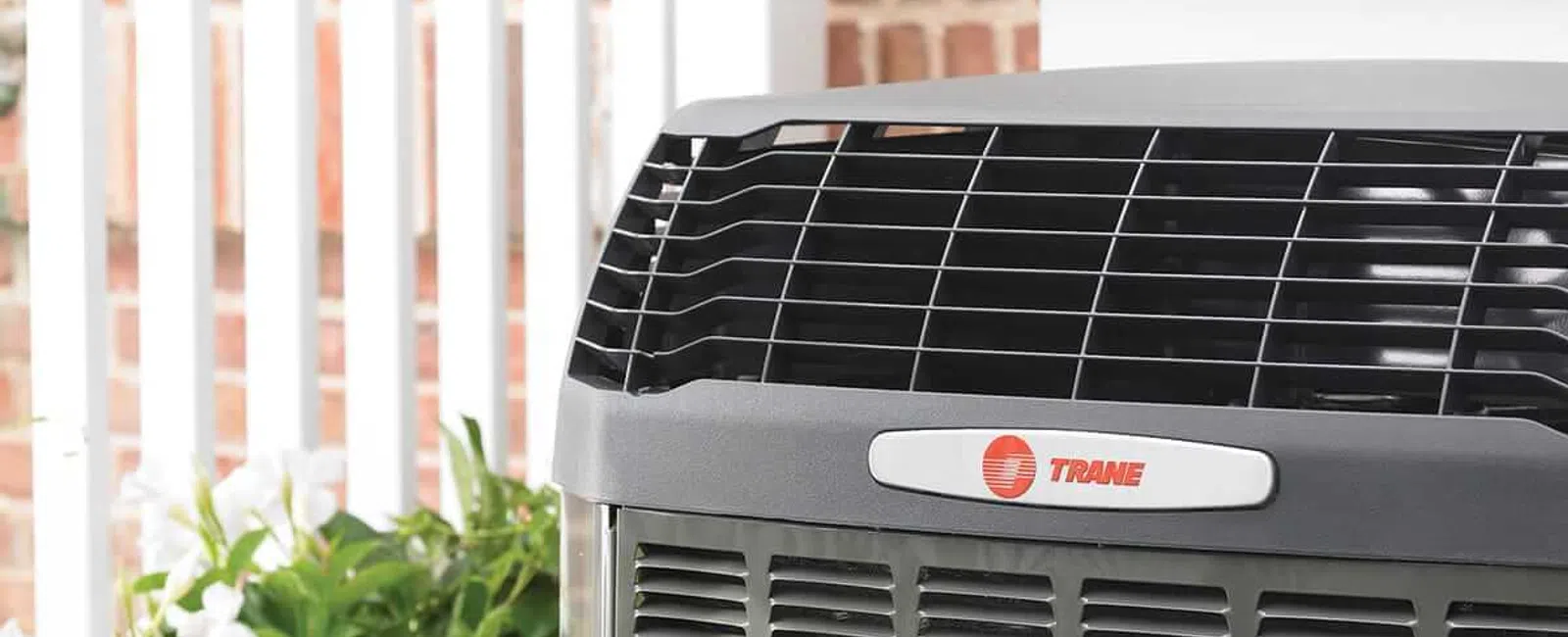
A power outage rarely damages an air conditioner on its own. The harm comes from the surge of electricity when power is restored, which can trip a breaker, blow a fuse, or stress the capacitor and control board. More often, though, a unit that seems dead after an outage is simply waiting out a built-in compressor delay, a safety feature that blocks the compressor from restarting for several minutes after power returns. Knowing the difference between a system that is protecting itself and one that took surge damage saves an unnecessary service call, and resetting it the right way protects the compressor from harm.
Most post-outage problems clear with a careful reset. When they do not, the cause is usually electrical damage from the surge, which needs a technician. The steps below work through the reset first, then the causes.
Reset the System the Right Way
The order matters here, because restarting a compressor against high internal pressure or during an unstable surge is what causes damage. Work through it in sequence rather than flipping the unit straight back on.
- Start at the thermostat and set it to off, so the system is not trying to call for cooling while power is being restored.
- Go to the electrical panel and find the breakers for the air handler and the outdoor condenser, which are often separate.
- Turn each fully off, all the way to the off position, then back on, since a half reset will not restore power correctly. If there is a disconnect box on the exterior wall near the outdoor unit, confirm it is switched on and fully seated.
- Then wait. Leave the thermostat off for a full thirty minutes before switching it back to cool. That pause lets the compressor's internal delay timer clear and lets the refrigerant pressures equalize, so the compressor does not strain against high pressure when it starts. Setting the thermostat back to cool sooner often just restarts the delay. This waiting step is the one most homeowners skip, and it is the one that protects the most expensive part in the system.
When the Reset Does Not Work
If the system stays dead after a proper reset and the full wait, the surge likely caused real damage, and the symptom points to where.
A breaker that trips again the moment the system tries to start is signaling a genuine electrical fault, not a nuisance trip. It should not be reset a second time, since forcing power into a fault can cause further damage. Repeated tripping after a storm is one of the clearer AC electrical problems that needs a meter to trace.
A unit that hums but will not start often has a capacitor that took the surge. The capacitor delivers the jolt the compressor and fan need to start, and a surge can weaken or blow it, leaving the motor straining without turning. A damaged capacitor is a common post-surge failure, covered in our post on when a capacitor needs replacing, and it holds a dangerous charge, so it is a technician repair.
A blank or unresponsive thermostat may simply have lost its settings or its batteries during the outage, which is an easy fix. But a thermostat that stays dark after fresh batteries, or a system that powers on but behaves erratically, can point to surge damage to the thermostat or the control board, which traces back to the same signal faults behind a thermostat that is not working correctly.
Why the Air Might Be Warm After an Outage
A system that runs but blows warm after power returns usually has a simple explanation. The compressor may still be inside its delay window, so the fan moves air while the cooling has not kicked in yet. The thermostat may have reset to fan-on mode, running the blower without cooling. Or the outdoor unit may not have come back while the indoor blower did, since they often run on separate circuits. Giving the system its full thirty minutes and confirming the outdoor unit has power usually sorts out warm air that follows an outage.
Protecting the System From the Next Outage
In the South Bay, storms and grid events take the power down, and the surge when it comes back is the real threat to an air conditioner.
Two habits reduce the risk:
When the power goes out, switch the thermostat to off right away, so the restoration surge passes while the system is idle rather than mid-start. And a dedicated HVAC surge protector, installed at the unit or the panel, absorbs the spike that would otherwise reach the capacitor, control board, and compressor. For a system that has already been through repeated outages, it is worth having those components checked, since surge stress accumulates and a weakened part often fails on a later, smaller event. A dead unit on a hot day after a storm is also one of the situations that counts as an AC emergency worth a prompt call.
AC Down After a Storm in the South Bay?
Total Home Environmental diagnoses and repairs air conditioners that will not restart after a power outage across Torrance, Redondo Beach, Manhattan Beach, Long Beach, and the surrounding South Bay. Our technicians test the breaker, capacitor, control board, and compressor for surge damage, make the repair, and can add surge protection to guard against the next outage. If a careful reset did not bring your system back, let us find what the surge left behind.
Call 310-340-2612 or schedule online at totalhomeenvironmental.com.


