
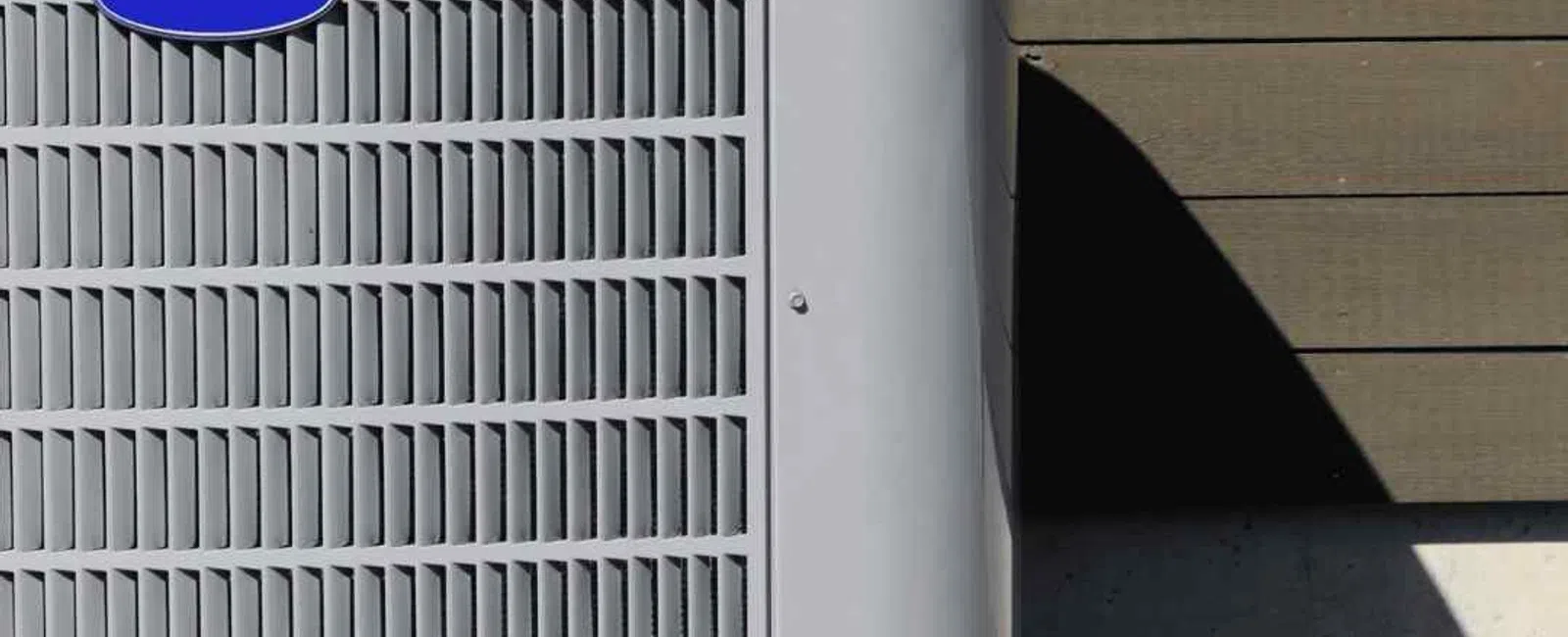
The large fan on top of your outdoor condenser pulls heat out of the refrigerant so the system can keep cooling your home. When that fan stops turning while the unit still hums or clicks, the compressor keeps working against trapped heat, pressure climbs, and the system will shut itself down on a safety limit within minutes to avoid burning out the compressor.
An AC fan not spinning is one of the most common summer failures we see in Torrance and across the South Bay, and in the large majority of cases it traces back to a single inexpensive part rather than a dead system.
A Failed Run Capacitor Is the Most Common Cause
The run capacitor is a small cylindrical part inside the condenser's electrical panel that stores and releases the jolt of energy the fan motor and compressor need to start and keep turning. Capacitors weaken with age and heat, and the coastal heat load in the South Bay wears them out faster than the manufacturer's rated lifespan suggests.
When the capacitor fails, the classic symptom appears: the unit hums but the fan sits still, and sometimes a gentle push on the fan blade with a stick will start it spinning. That push test is a strong sign the capacitor is the culprit, and it is also a warning to stop, because a running condenser holds enough stored charge to injure you.
A swollen, leaking, or domed top on the capacitor confirms the diagnosis. Replacing one is inexpensive in parts, but the capacitor can retain a dangerous charge even after the power is off, so this is a repair worth handing to a technician who can discharge and test it safely.
A Seized or Burned-Out Fan Motor
If the capacitor tests fine and the fan still will not turn, the fan motor itself is the next suspect. Motors fail from worn bearings, overheating, or simple age, usually after ten to fifteen years of service. A motor that has seized will not respond to the push test, and you may notice a burning smell or see the motor casing is hot to the touch.
Grass clippings, cottonwood fluff, and debris packed into the condenser can also overheat a motor by choking its airflow, so clearing the unit and giving it time to cool is worth doing before assuming the motor is dead. A motor that stays silent after cooling and cleaning needs replacement, and matching the correct motor and mount is a job for a professional.
A Worn Contactor
The contactor is the electrical switch that sends power to the fan motor and compressor when the thermostat calls for cooling. Its contacts can pit, corrode, or stick over time. Insects are a surprisingly frequent cause here, since ants and other pests crawl into the panel and get caught between the contacts.
When the contactor fails, the fan and compressor may both go dead, or you may hear a chattering or buzzing from the panel as the switch struggles to close. A contactor is a low-cost part, but replacing it means working inside a live electrical panel, which is why it belongs on the technician's list rather than the homeowner's.
A Tripped Breaker or Lost Power
Before assuming the worst, confirm the outdoor unit is actually getting power. A fan not spinning on an AC unit that is completely silent, with no hum and no click, often points to a tripped circuit breaker rather than a failed part. Check the main electrical panel for a breaker that has moved to the middle or off position, and reset it once. Many condensers also have a separate disconnect box mounted on the exterior wall near the unit; confirm that switch is engaged.
A breaker that trips again immediately after resetting is signaling a genuine electrical fault, such as a shorted motor or wiring problem, and repeatedly resetting it risks damage. One reset is reasonable but a second trip means it is time to call for service.
What You Can Safely Check Yourself
A few checks are safe and worth doing before you call:
1) Confirm the thermostat is set to cool and the temperature is set below the current room reading.
2) Replace a clogged air filter, since severe airflow restriction can cause the system to freeze and shut down components.
3) Clear leaves, grass, and debris from around and inside the condenser cabinet, and gently rinse the exterior fins with a garden hose while the power is off.
4) Reset the breaker one time.
Beyond that, the work involves stored electrical charge, live panels, and specialized testing tools. The push-start trick that confirms a bad capacitor is also the moment to stop and step back, because the same stored energy that starts the fan can cause serious injury.
When the Outdoor Unit Is Running Hot
An outdoor unit that is hot to the touch with the fan not spinning deserves urgency. With no fan moving air across the coil, heat has nowhere to go, and the compressor is the most expensive part in the entire system to replace.
If you find the cabinet noticeably hot and the fan still, switch the system off at the thermostat and at the disconnect, and leave it off until a technician can look at it. Running it in that state to squeeze out a little more cooling risks turning an inexpensive capacitor or motor repair into a compressor replacement that costs a lot more.
How Total Home Environmental Can Help
We have diagnosed and repaired outdoor fan failures across Torrance, Redondo Beach, Manhattan Beach, Long Beach, and the wider South Bay for years, and our technicians carry the common failure parts, capacitors, motors, and contactors on the truck so most no-spin calls are resolved in a single visit. We test the capacitor and motor under load rather than guessing, confirm the contactor and electrical supply, and check the airflow and refrigerant conditions that shorten a fan motor's life in the first place.
If your outside AC unit fan is not spinning, contact us today, and we will get the diagnosis right and the cooling back before the heat forces the rest of the system into a harder failure.


